
⚠️ First, the safety line: chest pain, a heartbeat that will not settle, fainting or sudden breathlessness are emergency symptoms — get urgent medical help rather than reading on. This article covers everyday, stress-related experiences and is general information, not medical advice. Nothing here, and no wellbeing device, is a treatment or cure for any medical condition.
| The core issue | Constant tiredness is usually about sleep quality and daytime energy drains — not just hours in bed. |
| Common causes | Chronic stress, fragmented sleep, blood-sugar swings, dehydration, too little movement and daylight. |
| Quick wins | Morning daylight, water before coffee, regular meals, a short walk, and real breaks. |
| The deeper fix | Give your nervous system genuine downtime so the body can actually recharge. |

If you are asking “why am I tired all the time?” — even on the mornings after a full night in bed — you are far from alone. Persistent, low-grade fatigue is one of the most common complaints people bring to their day, and one of the most frustrating, because it rarely comes with an obvious cause. You slept your hours. You are not obviously ill. And yet you drag through the afternoon reaching for another coffee.
Here is the shift that helps most people: stop measuring only how long you sleep and start paying attention to how well you recover. True energy is not just about hours in bed — it is about the quality of your sleep and the sum of what your body does with its energy all day. When constant fatigue sets in, it is usually because several small drains are quietly overlapping. Below are the everyday culprits, and the natural habits that help you feel more energized without relying on caffeine to paper over the gap.
It is also why long stretches of pressure leave you catching everything going round, as how stress affects your immune system explains. When your body spends the day braced — deadlines, notifications, worry — it burns through energy and struggles to reach the deep, restorative rest it needs at night. The result is the classic “wired but tired” state: exhausted yet unable to switch off. If your fatigue comes with a racing mind and tense shoulders, chronic stress is a prime suspect, and our guide on why you feel stuck in fight-or-flight mode explains the pattern in detail.
You can spend eight hours in bed and still wake unrefreshed if that sleep is fragmented, shallow, or broken by middle-of-the-night waking. Late screens, alcohol, a warm room and irregular bedtimes all chip away at sleep quality. If you routinely surface in the small hours, our piece on why you wake up at 3am and can’t fall back asleep is worth a read — broken sleep is one of the biggest hidden causes of daytime tiredness. A meta-analytic review of sleep restriction found measurable cognitive decrements from the partial, everyday sleep loss most people live with — the kind that rarely feels dramatic but reliably feels like fatigue.
Meals built on refined carbohydrates and sugar cause blood sugar to spike and then crash, and each crash drags your energy down with it — the mechanism we unpack in why you crash in the afternoon. Skipping meals has a similar effect. The mid-afternoon slump so many people know is often a blood-sugar dip in disguise. Pairing carbohydrates with protein, fat and fibre — and eating at regular intervals — keeps your energy on a steadier, more even keel.
Even mild dehydration can leave you feeling sluggish, foggy and low. Many people mistake thirst for tiredness and reach for coffee — which, being a mild diuretic, does not help. A glass of water first thing and steady sips through the day is one of the simplest energy habits there is. Controlled trials found mild dehydration impaired cognitive performance and mood in men and affected mood and concentration in young women.
It sounds paradoxical, but a sedentary day is tiring. Movement improves circulation and helps regulate the daily rhythms that govern alertness, while natural light — especially in the morning — helps anchor your body clock so you feel awake by day and sleepy at night. A dim, indoor, chair-bound day sends the opposite signal.
Sometimes what feels like physical tiredness is really cognitive: a foggy, heavy-headed struggle to focus after too much screen time and too few breaks. Mental and physical fatigue often travel together. If your tiredness shows up mostly as fuzzy thinking, our guide on what causes brain fog and how to clear it naturally tackles that side directly.
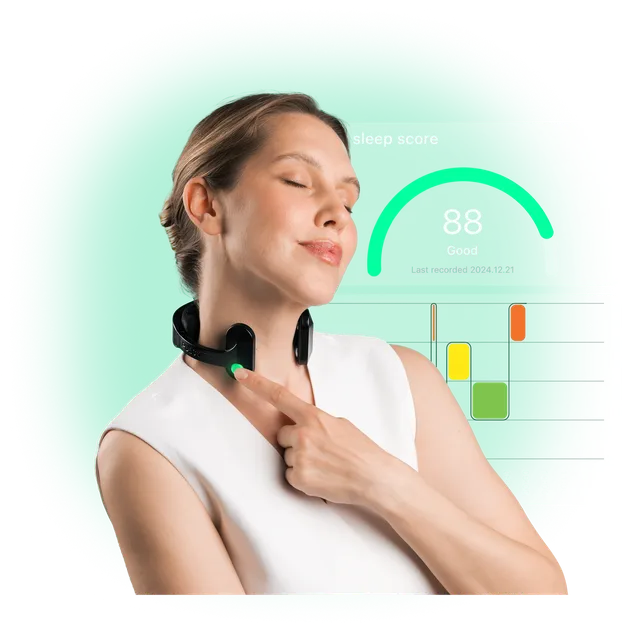
Underneath many of these causes sits one theme: recovery. Your autonomic nervous system has two branches. The sympathetic branch spends energy and keeps you alert; the parasympathetic branch — led by the vagus nerve — is where rest, digestion and repair happen. If you rarely give that calming branch a proper turn, your body never fully clocks off to recharge, and the fatigue quietly compounds.
Researchers describe how responsive this recovery branch is using the term vagal tone, often estimated through heart rate variability (HRV). In general, higher vagal tone is linked with a body that recovers from stress more smoothly. It is one reason people who feel constantly drained often benefit less from “pushing through” and more from deliberately building in recovery — steady sleep, real breaks, and time in a genuinely relaxed state. HRV is the standard index of cardiac vagal tone in psychophysiological research, though it is an estimate of a system rather than a fatigue test.
You do not need a total overhaul. Layer in two or three of these and give them a couple of weeks.
Within an hour of waking, get some daylight and drink a glass of water before your coffee. Light steadies your body clock so alertness rises by day, and hydrating first thing tackles the mild overnight dehydration that can masquerade as morning fog.
Build meals around protein, healthy fats, fibre and slower carbohydrates, and eat at regular intervals to avoid the spike-and-crash cycle. Some whole foods also supply nutrients tied to a calmer, steadier nervous system — our guide to foods that calm the nervous system highlights the useful ones.
A brisk ten-minute walk can lift energy more reliably than a coffee, and daily movement improves the sleep that recharges you at night. You are not chasing a workout — you are reminding your body how to shift gears.
Keep consistent sleep and wake times, dim the lights and screens before bed, keep the bedroom cool and dark, and go easy on late caffeine and alcohol. Quality sleep is the single biggest lever most tired people have. On that last point, caffeine taken even six hours before bed measurably reduced total sleep time in a controlled study.
Genuine rest is not the same as scrolling. A few rounds of slow breathing — in for four, out for six to eight — a short walk in nature, or a few quiet minutes with no screen all help the calming branch take over so the body can recharge. Alongside these, some people use at-home vagus-nerve routines to make winding down easier and more consistent.
See the Pulsetto Vagus Nerve Device
Pulsetto is one example of an at-home wearable that applies gentle transcutaneous vagus nerve stimulation (tVNS) through the skin of the neck. It uses a little conductive gel, runs short app-guided sessions of about four minutes, and lets you choose a program for stress, sleep or burnout. The point is not to give you a jolt of artificial energy — it is to make genuine downtime, the kind that actually recharges you, easier to fit into a busy day.
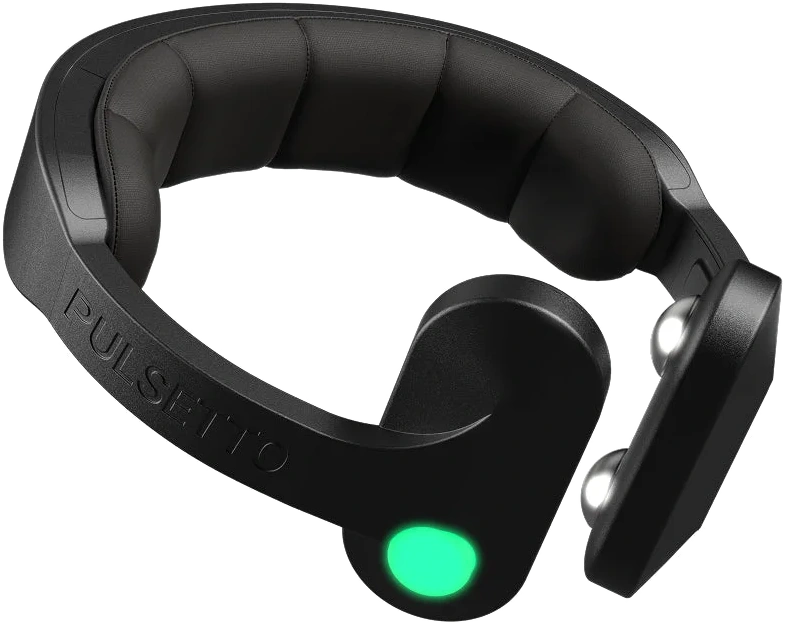

For people who find it hard to slow down, a short routine with a clear start and finish can be more sustainable than an open-ended “just relax.” It works best as one recovery habit inside a broader routine of sleep, food and movement — not as a stimulant and not as a treatment for any medical cause of fatigue.
Pulsetto turns downtime into a short, guided routine you can actually keep up with — available in single and multi-device value packs, backed by a 30-day money-back trial.
Explore Pulsetto Packages
Lifestyle habits help most everyday fatigue, but tiredness can also have medical causes worth ruling out — such as thyroid problems, anaemia, sleep disorders or nutrient deficiencies. See a healthcare professional if your fatigue is severe, lasts for several weeks, or comes with symptoms such as unexplained weight change, breathlessness, persistent low mood or ongoing pain. If you have a heart condition, epilepsy, an implanted electronic device, or you are pregnant, talk to your doctor before trying any form of nerve stimulation.
Feeling tired despite enough hours usually points to sleep quality rather than quantity, or to daytime drains on your energy. Fragmented sleep, high stress that keeps the body in fight-or-flight, blood-sugar swings, dehydration, too little movement and too much screen time can all leave you running on empty even after eight hours in bed.
Yes. Keeping the stress response switched on is metabolically expensive, and a body that never fully downshifts rarely gets deep, restorative rest. Chronic stress is one of the most common reasons people feel constantly drained, wired-but-tired, and unable to recharge no matter how long they sleep.
Steady the basics first: consistent sleep and wake times, morning daylight, regular balanced meals, plenty of water and daily movement. Cutting late-day caffeine, taking real breaks, and giving your nervous system genuine downtime through breathing or relaxation routines all help your body recharge more fully.
See a healthcare professional if fatigue is severe, lasts for weeks, or comes with other symptoms such as unexplained weight change, breathlessness, low mood or persistent pain. Ongoing tiredness can have medical causes — such as thyroid issues, anaemia or sleep disorders — that are worth ruling out. Lifestyle habits work best alongside proper care.
The vagus nerve leads the parasympathetic, rest-and-digest side of your nervous system, which handles recovery. When that side gets enough time to take over, the body can rest and repair more effectively. Higher vagal tone is generally linked with better recovery after stress, which is why calming routines are popular for people who feel constantly drained.
| Who we are | An independent team that reviews nerve-health research and turns it into plain-English, practical guides for everyday readers. |
| How we work | Every article is fact-checked against reputable clinical and educational sources and updated as the science evolves. |
| Our promise | General wellbeing information, never medical advice — and we always flag when to see a professional. |
† These statements have not been evaluated by the FDA. Pulsetto is a general-wellbeing device, not a medical device or treatment, and is not intended to diagnose, treat, cure or prevent any disease. This article is for general information only and is not medical advice. Affiliate disclosure: pulsettoos.com is an independent guide, not the manufacturer or the seller. Some links on this page are affiliate links and we may earn a commission if you buy through them, at no extra cost to you. That never changes the price you pay or what we write.