
| The link | Stress hormones like cortisol change how immune cells behave, especially over time. |
| Short vs chronic | A brief jolt can mobilise defences; ongoing stress tends to blunt them. |
| Why you get sick | High cortisol, more inflammation, worse sleep and slipping habits stack up. |
| What helps | Sleep, gut-friendly food, movement, daylight, connection and daily downshifts. |

Have you ever pushed through a punishing few weeks — a deadline, an exam season, a family crisis — only to come down with a stubborn cold the moment things finally calmed down? That is not a coincidence, and it is not bad luck. It is one of the clearest examples of how stress affects your immune system, and once you understand the mechanism, the everyday habits that help make a lot more sense.
Your immune system and your stress-response system are in constant conversation. The chemical messengers your body releases under stress — chiefly adrenaline and cortisol — do not just speed up your heart and sharpen your focus. They also reach into immune tissue and change how it behaves. In the short term that can be helpful. Over the long term, it is a different story.
A brief jolt of stress — the kind that lasts minutes — can actually mobilise parts of the immune system, as if the body is bracing for a possible wound. This is the acute stress response doing its job. The problem is that modern stress is rarely brief. It is the slow, grinding kind: money worries, overwork, relationship strain, a phone that never stops buzzing.
When stress becomes chronic, the picture flips. Persistently high cortisol is associated with a blunted, less coordinated immune response and with higher levels of low-grade inflammation. In other words, the system that is supposed to defend you becomes both less effective at fighting off invaders and more prone to unhelpful background inflammation. That combination is why long stretches of stress can leave you catching every bug going round. A meta-analysis of thirty years of research found that chronic stressors were associated with suppression of both cellular and humoral immune measures, while brief stressors produced a different pattern.
| Cortisol stays high | Chronically elevated stress hormones can blunt parts of the immune response. |
| Inflammation rises | Long-term stress is linked with more low-grade background inflammation. |
| Sleep suffers | Poor sleep undermines immune defences — and stress wrecks sleep. |
| Habits slip | Under pressure we move less, eat worse and skip the basics that protect us. |
There are really two layers here. The first is direct: the biochemical changes above make immune cells less responsive. The second is indirect but just as important — stress sabotages the very habits that keep your defences strong. When you are overwhelmed you tend to sleep less, eat more processed food, drink more, exercise less and skip time outdoors. Each of those, on its own, nudges immunity in the wrong direction. Stacked together, over weeks, they add up. The classic demonstration is the common-cold literature: in one study, people who slept less than seven hours were nearly three times more likely to develop a cold after exposure to rhinovirus, and a later study using measured rather than self-reported sleep found the same relationship.
This is also why stress-related run-down feelings so often overlap with plain exhaustion. If you feel wiped out no matter how much you rest, our guide to why you feel tired all the time looks at the fatigue side of the same coin.
If there is one lever worth pulling first, it is sleep. Deep sleep is when a great deal of immune housekeeping happens, and it is also when your nervous system does its most important recovery. Stress attacks sleep from both ends — making it harder to fall asleep and more likely you will wake in the night — which then leaves you more reactive to stress the next day. It is a genuine vicious circle, and breaking it pays off across the board. If night waking is your particular struggle, why you wake up at 3am and can’t fall back asleep digs into the causes. A review of sleep and immune function describes how sleep supports the formation of immunological memory.

A large share of your immune tissue lives in and around your gut, and the gut is exquisitely sensitive to stress through the vagus nerve. When you are wound up, digestion and the gut environment shift, which can ripple out to immune function and inflammation. It is one more reason the calming habits below help on several fronts at once. We explore this two-way street in more detail in the gut-brain connection guide.
You cannot “boost” your immune system with a single trick, and no habit makes you immune to getting sick. But you can create the conditions in which your defences work as they are meant to — and most of those conditions are the same ones that lower stress:
It is tempting, when you feel run down, to reach for a single supplement or an “immune booster” and hope it does the work. The evidence is far kinder to the unglamorous basics: sleep, food, movement and managing stress. No pill overrides a season of short nights and skipped meals. It is usually more productive to think in terms of removing the things that drag your defences down — chronic stress chief among them — than to search for one magic input that lifts them up. Consistency across the fundamentals beats intensity on any single one. The more useful frame is the one McEwen described as allostatic load — the cumulative wear caused by stress mediators that never switch off.
See a 4-minute daily calm routine
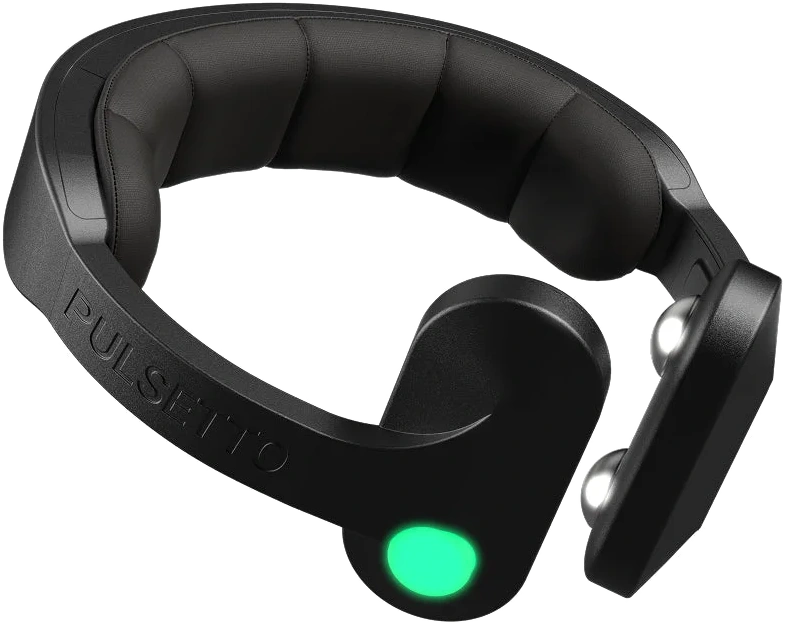
Because so much of the stress–immune link runs through a nervous system stuck in “on,” anything that helps you reliably switch to “rest-and-digest” is worth building into your week. The vagus nerve leads that calming branch, and it also carries signals between the brain and the gut’s immune-rich tissue. Slow breathing, movement, good sleep and calming routines all help engage it.
Pulsetto is one at-home tool designed around this. It is a wearable that rests on the neck and delivers gentle transcutaneous vagus nerve stimulation (tVNS) in short, app-guided sessions of about four minutes. You pick a program, set a comfortable intensity and relax. It is not an immune remedy and it will not stop you catching a cold — think of it as one more way to make daily downshifting easy to sustain, alongside the fundamentals of sleep, food and movement. Pulsetto is intended for general relaxation and wellbeing, not to diagnose, treat or prevent any illness.
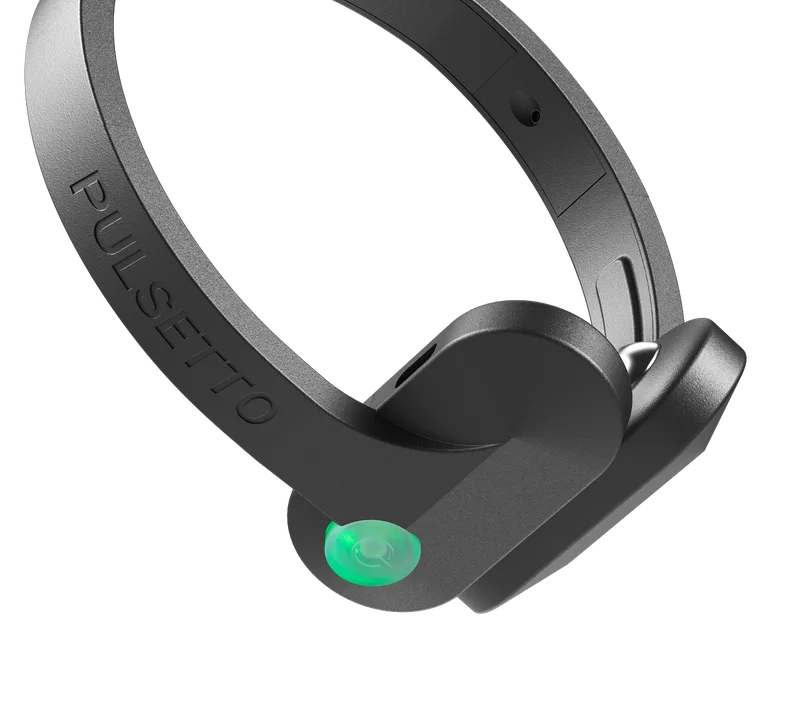
Pulsetto is personal — each person wears their own, so a multi-device pack drops the per-device price for the whole household. Every order is covered by a 30-day money-back trial.
Pulsetto turns daily downshifting into a short, guided routine you can actually keep up with — a gentle, drug-free session backed by a 30-day money-back trial.
Explore Pulsetto PackagesChronic stress does not directly give you an infection, but it changes how your immune system works and undermines the habits that keep it strong. Persistently high cortisol is linked with a blunted immune response and more low-grade inflammation, and stress also harms sleep, diet and activity, all of which affect how easily you fight off bugs.
During intense stress your body keeps its stress response switched on. When the pressure finally lifts and cortisol drops, the immune system's response can rebound in a way that leaves you feeling under the weather. Accumulated poor sleep during the stressful stretch adds to it.
Sleep is when much of the body's immune housekeeping and nervous-system recovery happens, so short or broken sleep can undermine your defences. Because stress also damages sleep, the two problems reinforce each other. Protecting a consistent bedtime is one of the most useful things you can do.
Consistent sleep, a plant-rich and fermented-food diet, regular moderate movement, time outdoors, warm social contact and deliberate daily downshifting all help create the conditions for your immune system to work well. No single habit makes you immune to illness.
A vagus nerve wearable such as Pulsetto is not an immune remedy. It supports the body's calming rest-and-digest response, which helps counter chronic stress, one of the factors that affects immunity. Use it alongside sleep, food and movement. It is intended for general relaxation and wellbeing, not to prevent or treat any illness.
† These statements have not been evaluated by the FDA. Pulsetto is a general-wellbeing device, not a medical device or treatment, and is not intended to diagnose, treat, cure or prevent any disease. This article is for general information only and is not medical advice. Affiliate disclosure: pulsettoos.com is an independent guide, not the manufacturer or the seller. Some links on this page are affiliate links and we may earn a commission if you buy through them, at no extra cost to you. That never changes the price you pay or what we write.
The Pulsetto Research Team is a small group of health writers, nervous-system educators and wellness researchers who translate the science of stress, sleep and the vagus nerve into plain, practical English. Every guide is fact-checked against peer-reviewed research and respected medical references before it is published, and reviewed again whenever the evidence moves. We write to inform, not to diagnose — our aim is to help you understand your body and make calmer, better-informed choices. This article reflects general research and traditional wellbeing practice; it is not a substitute for advice from your own doctor.