
| Short version | No single food is a cure, but certain groups help build a steadier foundation for calm. |
| Best groups | Magnesium-rich greens, nuts and seeds; omega-3 fish; fermented foods; tryptophan proteins with whole grains. |
| Calming drinks | Water, chamomile tea and green tea (which contains L-theanine). |
| Limit | Excess caffeine, alcohol, added sugar and ultra-processed foods, especially late in the day. |

Food will never out-muscle a genuinely stressful life, and no plate is going to erase a bad week. But what you eat is one of the quiet, daily inputs that shapes how reactive your nervous system feels. Blood-sugar swings, missing nutrients, too much caffeine and a diet built mostly from ultra-processed foods can all leave the body more easily tipped into a stress response. Steady, balanced, mostly whole-food meals do the opposite: they give your body a more stable base to work from.
This guide covers the foods that calm the nervous system, the simple reasons they help, and the everyday things worth limiting. Think of it as a pattern to lean toward, not a rigid set of rules — consistency across a week matters far more than any single “superfood.”
Before the food lists, the single most useful idea: blood-sugar stability. When you skip meals or lean on fast-digesting sugar, your blood sugar spikes and crashes. Those crashes can feel a lot like anxiety — shakiness, irritability, a racing heart, difficulty focusing — because the body releases stress hormones to bring sugar back up. Meals that combine protein, fibre and healthy fat slow that curve down, so your energy and mood stay more even. That alone takes pressure off an already-busy nervous system.
Magnesium is sometimes called the “relaxation mineral” because it plays a role in muscle relaxation and normal nervous-system function. Many people fall short of it. Good sources include leafy greens like spinach and Swiss chard, pumpkin and sunflower seeds, almonds and cashews, black beans and lentils, and whole grains. A handful of nuts or a green-heavy dinner is an easy way to nudge intake up. A systematic review of magnesium supplementation reported suggestive but low-quality evidence for an effect on subjective anxiety and stress, and the NIH Office of Dietary Supplements magnesium fact sheet sets out how much adults need and which foods supply it.
Omega-3 fatty acids are building blocks for the brain and are widely studied for their role in mood and healthy inflammation balance. The classic sources are oily fish — salmon, sardines, mackerel — while plant eaters can lean on walnuts, chia and ground flaxseed. Aiming for a couple of servings of oily fish a week is a common, practical target. A meta-analysis of randomised trials found an association between omega-3 supplementation and reduced anxiety symptoms, mainly in clinical samples at higher doses; the NIH Office of Dietary Supplements summarises intakes and food sources.
Your gut and brain are in constant conversation, and a healthy gut microbiome is part of that dialogue. Fermented foods such as plain yoghurt, kefir, sauerkraut, kimchi and miso add beneficial microbes and pair well with fibre-rich plants that feed them. We explore this link in depth in our guide to the gut-brain connection and how stress affects digestion. The human evidence is early rather than settled: a randomised placebo-controlled trial of probiotic supplementation in adults with insomnia symptoms and work-related stress reported effects on sleep and psychological outcomes, and a crossover trial of a fermented dairy drink found a change in hippocampal-dependent memory performance.
Tryptophan is an amino acid the body uses to make serotonin, a chemical messenger linked with mood and, downstream, sleep. It is found in turkey, chicken, eggs, dairy, tofu, and pumpkin seeds. Interestingly, pairing these proteins with a whole-grain carbohydrate — oats, brown rice, whole-grain bread — may help tryptophan do its job, which is part of why a balanced evening meal can feel settling. A systematic review of L-tryptophan supplementation found mixed effects on mood and emotional functioning, so treat food sources as part of a balanced pattern rather than a lever you can pull.
Berries, citrus, leafy greens and other richly coloured produce deliver polyphenols and vitamin C, which support the body against the wear of ongoing stress. Variety is the goal: different colours bring different protective compounds, so a mixed plate does more than a single “super” berry.
Whole grains, oats, sweet potatoes and legumes provide slow-release energy that keeps blood sugar even. They also support steady serotonin production. This is the opposite of the sugar-spike-and-crash cycle that can masquerade as anxiety.

Hydration is underrated: even mild dehydration can worsen fatigue and concentration, which makes stress feel heavier. Beyond plain water, a few teas are traditionally used for winding down:
On the other side, large amounts of coffee and energy drinks feed the same stress chemistry that keeps you keyed up, and alcohol — while it can feel relaxing at first — tends to fragment sleep later in the night. Neither has to be off-limits; the key is amount and timing, especially in the afternoon and evening.
See how Pulsetto fits a calm routine
Even the best diet works alongside sleep, movement and how you manage stress in the moment. If you often feel keyed up regardless of what you eat, it is worth reading our guide on why you feel stuck in fight-or-flight mode, and the daily habits that help lower cortisol naturally. Nutrition builds the foundation; these habits help your nervous system actually use it.
One of those habits is directly supporting your body's calming system. The vagus nerve is the main pathway of the “rest-and-digest” response, and it also helps govern digestion — which is part of why calm and good eating reinforce each other. Some people add gentle, non-invasive vagus nerve support to round out their routine.
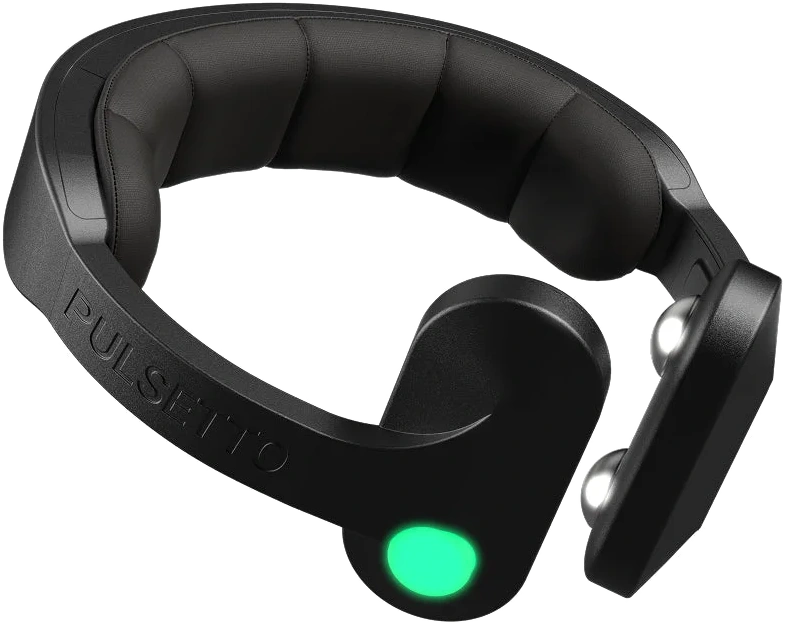
Pulsetto is an at-home wearable that delivers gentle transcutaneous vagus nerve stimulation (tVNS) through the neck in short, app-guided sessions of about four minutes. You pick a program — stress, anxiety, sleep or burnout — set a comfortable intensity, and relax.
It is not a replacement for good food, sleep or movement. It is simply one more calming input that is easy to keep up with, sitting neatly alongside the eating pattern in this guide. Pulsetto is intended for general relaxation and wellbeing, not as a treatment for any medical condition.
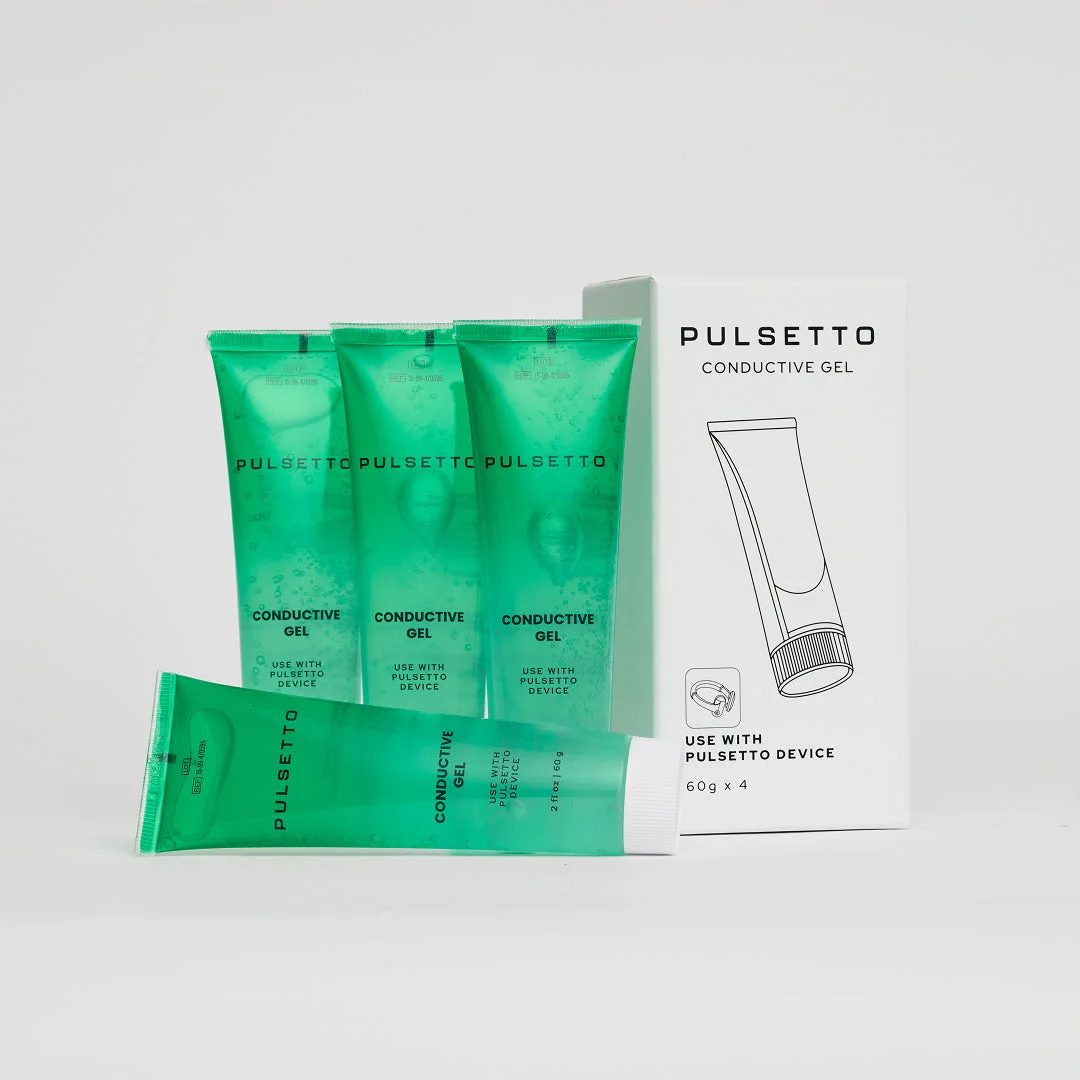
Pulsetto turns vagus nerve support into a short, guided daily routine — backed by a 30-day money-back trial. Explore single and multi-device packs and the conductive-gel refills.
There is no single miracle food, but the most consistently helpful groups are magnesium-rich foods (leafy greens, nuts, seeds, legumes), omega-3 sources (oily fish, walnuts, flax), fermented foods for gut health, and tryptophan-rich proteins paired with whole-grain carbohydrates. A varied, mostly whole-food pattern matters more than any one item.
Diet is one input among many. Blood-sugar swings, low intake of key nutrients, heavy caffeine and alcohol, and a diet high in ultra-processed foods can all make the nervous system feel more reactive. Steady, balanced meals built on whole foods give the body a more stable foundation for calm.
Water, herbal teas such as chamomile, and green tea (which contains the amino acid L-theanine) are generally gentle choices. Large amounts of coffee, energy drinks and alcohol tend to be overstimulating or disruptive to sleep, especially later in the day.
A balanced meal can steady your energy within an hour by avoiding a blood-sugar crash, but the deeper benefits of a nutrient-rich pattern build over weeks. Food supports the nervous system best as a consistent habit rather than a one-off fix, and individual responses vary.
Most people can cover the basics through a varied whole-food diet. Supplements are sometimes used to fill gaps, but they are best discussed with a healthcare professional, especially if you take medication or have a health condition. This article is general information, not medical or nutritional advice.
† These statements have not been evaluated by the FDA. Pulsetto is a general-wellbeing device, not a medical device or treatment, and is not intended to diagnose, treat, cure or prevent any disease. This article is for general information only and is not medical or nutritional advice. Affiliate disclosure: pulsettoos.com is an independent guide, not the manufacturer or the seller. Some links on this page are affiliate links and we may earn a commission if you buy through them, at no extra cost to you. That never changes the price you pay or what we write.