
| What it is | A natural early-afternoon dip in alertness, built into your circadian rhythm. |
| Why it hits hard | Blood-sugar spikes, caffeine wearing off, dehydration, sleep debt and stress. |
| Fastest fix | Water, a ten-minute walk in daylight, then a few slow breaths. |
| Best long-term | Balanced lunches, smart caffeine timing, steady sleep and daily downshifts. |
You had a decent lunch, you are not particularly short on sleep, and yet somewhere around 2 or 3 in the afternoon the shutters come down. Your eyelids get heavy, your focus scatters, and the only thing that sounds appealing is a nap or a third coffee. If that daily dip sounds familiar, you are experiencing the classic afternoon energy crash — and the good news is that most of what causes it is within your control.
The mid-afternoon crash is so common that it has a biological basis. Your body runs on a roughly 24-hour circadian rhythm, and built into that rhythm is a natural dip in alertness in the early afternoon — a smaller echo of the big dip that puts you to sleep at night. Everyone has this dip to some degree. Whether it feels like a gentle lull or a wall you hit depends largely on your habits around it. The dip is real and independent of lunch: reviews of the post-lunch dip in performance describe a circadian trough that shows up even when no meal is eaten, then deepens when one is.
This is the big one. A lunch heavy in refined carbohydrates and sugar — a sandwich on white bread, a fizzy drink, a sweet treat — sends blood sugar up quickly and then down just as fast. That downswing is felt as fatigue, brain fog and cravings. The steeper the spike, the harder the crash that follows.
Caffeine works by blocking the brain’s “time to rest” signal (adenosine). But it does not remove that signal — it just delays it. When the caffeine wears off in the early afternoon, all that backed-up pressure arrives at once, right as your circadian dip is happening. A big morning coffee habit can quietly set up a bigger afternoon crash. Its reach is longer than most people expect — in a controlled study, caffeine taken even six hours before bed measurably reduced total sleep time, which sets up the next day’s slump.
Even mild dehydration shows up as tiredness and poor concentration. By mid-afternoon, many people are running a fluid deficit without realising it, having had coffee but little actual water. Controlled trials found mild dehydration impaired cognitive performance and mood in men and affected mood and concentration in young women.
If you are carrying a sleep debt, the afternoon dip lands much harder because your baseline alertness is already low. Broken sleep does the same thing — if you often wake in the small hours, why you wake up at 3am and can’t fall back asleep may sound familiar.
Cortisol naturally follows a daily curve — higher in the morning to get you going, tapering off through the day. Chronic stress distorts that rhythm, and a dysregulated curve can leave you feeling flat and foggy in the afternoon. When fatigue is constant rather than just a dip, it is worth reading why you feel tired all the time, which looks at the bigger fatigue picture.
You do not need to fight your biology — you need to stop making the dip worse and give yourself a genuine reset. These changes make the biggest difference:
Aim for a plate that combines protein, fibre and healthy fats with your carbohydrates, rather than fast carbs alone. Protein and fibre slow how quickly sugar hits your blood, flattening the spike-and-crash. Many of the steadying options are the same ones in our guide to foods that calm the nervous system.
A short walk after lunch is one of the most effective anti-crash tools there is. It blunts the blood-sugar spike, gets daylight into your eyes to reinforce your circadian rhythm, and wakes up a tiring brain far better than another coffee.
Try not to rely on caffeine to paper over poor sleep, and give it a firm afternoon cut-off — ideally by early afternoon — so it is not still in your system at bedtime, quietly feeding tomorrow’s crash.
When the slump hits, drink a large glass of water first. Often what feels like a need for caffeine is really mild dehydration.
Two or three minutes of slow breathing, eyes off the screen, does more for afternoon focus than powering through. A short downshift lets a frazzled nervous system reset instead of grinding on. A meta-analysis of voluntary slow breathing reported measurable effects on heart rate and heart rate variability — a physical shift, not just a mental one.
A short nap of 10–20 minutes early in the afternoon can genuinely restore alertness for some people, provided it stays brief and does not stray too close to the evening, where it can eat into night-time sleep. Longer naps often leave you groggier than before you lay down. If napping is not an option, the most reliable “second wind” comes from light and movement rather than sugar: a brisk walk outdoors combines both and works with your circadian rhythm instead of against it. The afternoon dip is also a useful signal — if you crash hard every single day, it is often your body flagging a sleep debt or a stress load that last night did not clear, rather than a fault with the afternoon itself.
| 1. Water | Drink a full glass before anything else — thirst masquerades as tiredness. |
| 2. Move | Ten minutes of walking, ideally outside in daylight. |
| 3. Breathe | A few rounds of long-exhale breathing to reset focus. |
| 4. Refuel smart | If you snack, pair protein or fat with any carbs — nuts, yoghurt, fruit. |
See a 4-minute daily reset routine
Part of the afternoon crash is energy, and part of it is a nervous system that has been running at a low simmer since morning. A brief, deliberate downshift can restore focus more effectively than caffeine, because it lets the “rest-and-digest” side of your system — led by the vagus nerve — get a word in.
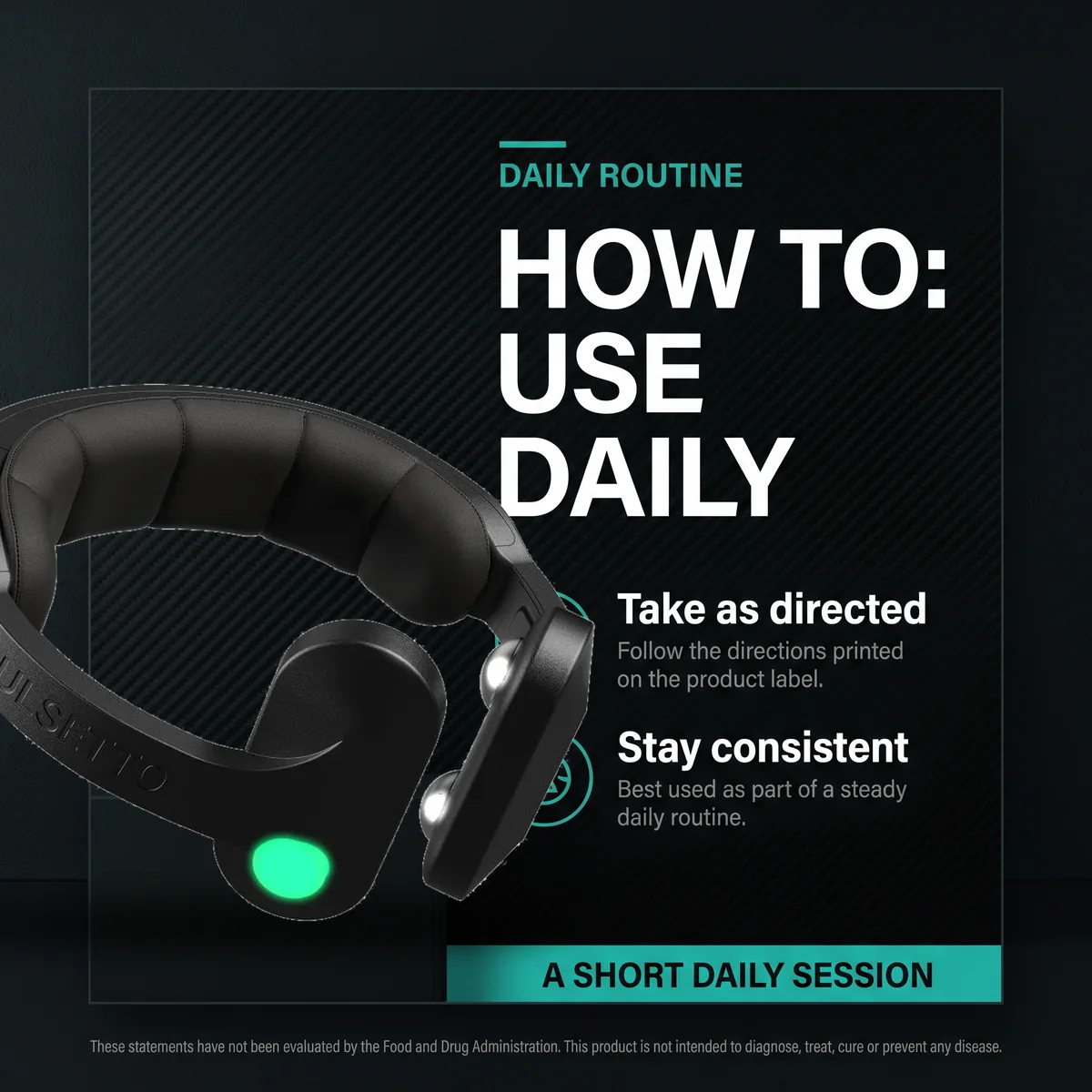
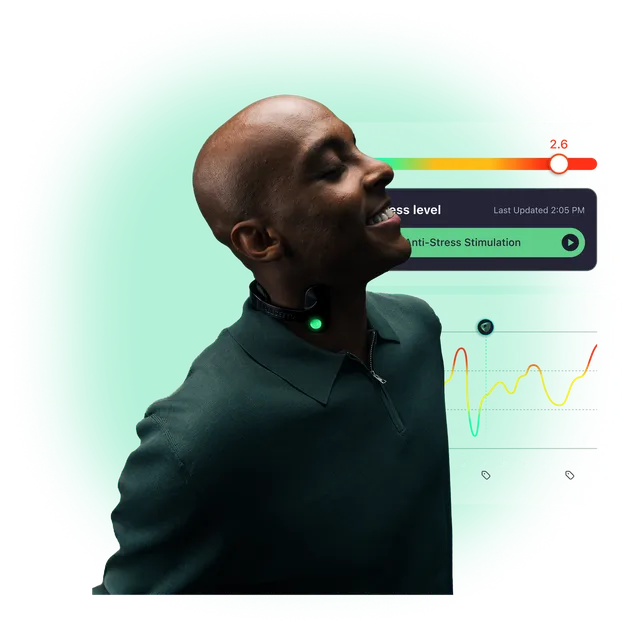
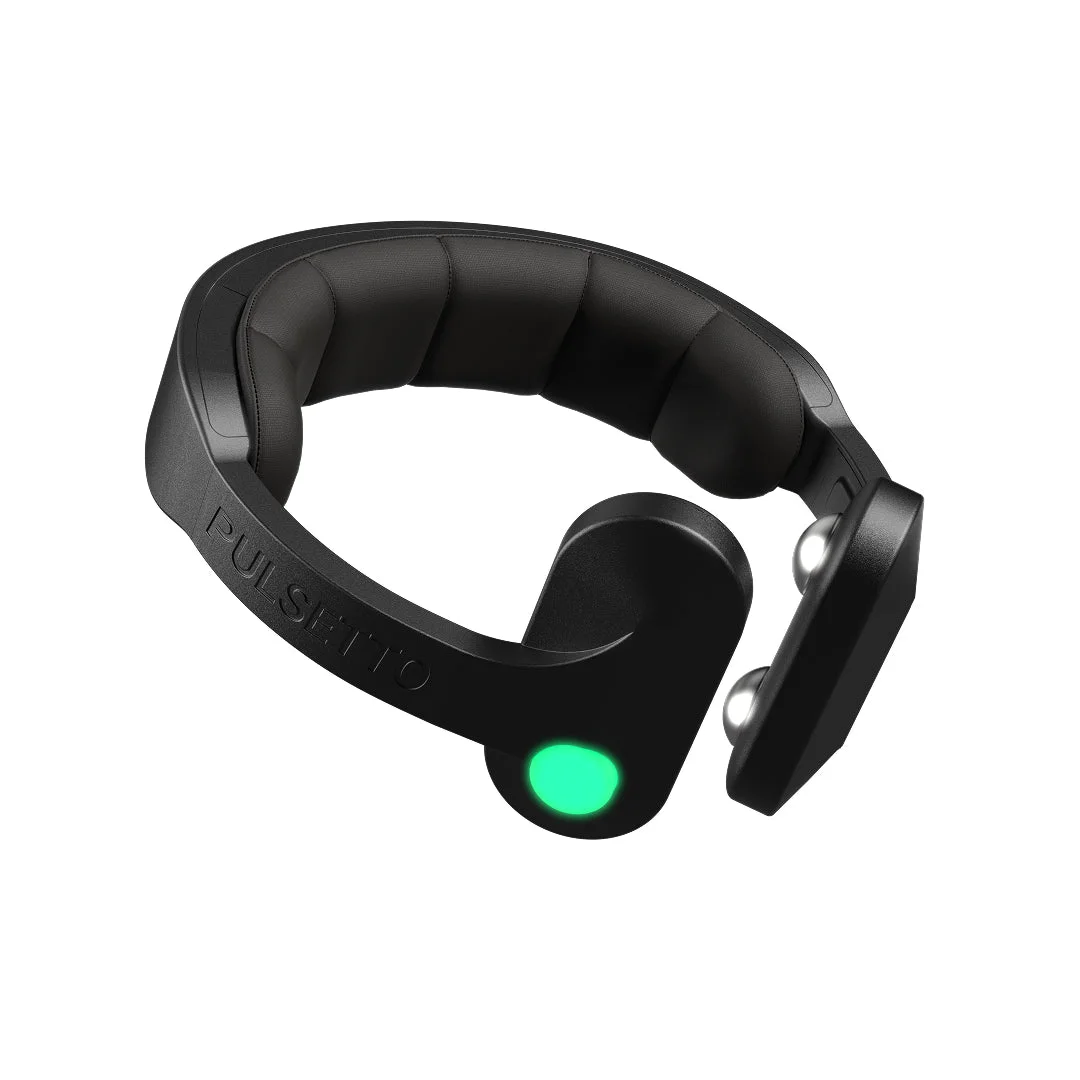
Pulsetto is one at-home tool built around this idea. It is a wearable that rests on the neck and delivers gentle transcutaneous vagus nerve stimulation (tVNS) in short, app-guided sessions of about four minutes. You choose a program, set a comfortable intensity and relax — a tidy way to take a real break in the middle of a busy day. It is not an energy supplement or a stimulant; think of it as a calm reset that pairs well with the food, movement and sleep habits above. Pulsetto is intended for general relaxation and wellbeing, not as a treatment for fatigue or any medical condition. And because stress quietly drives so much daytime tiredness, the same routine supports how your body copes with stress more broadly.
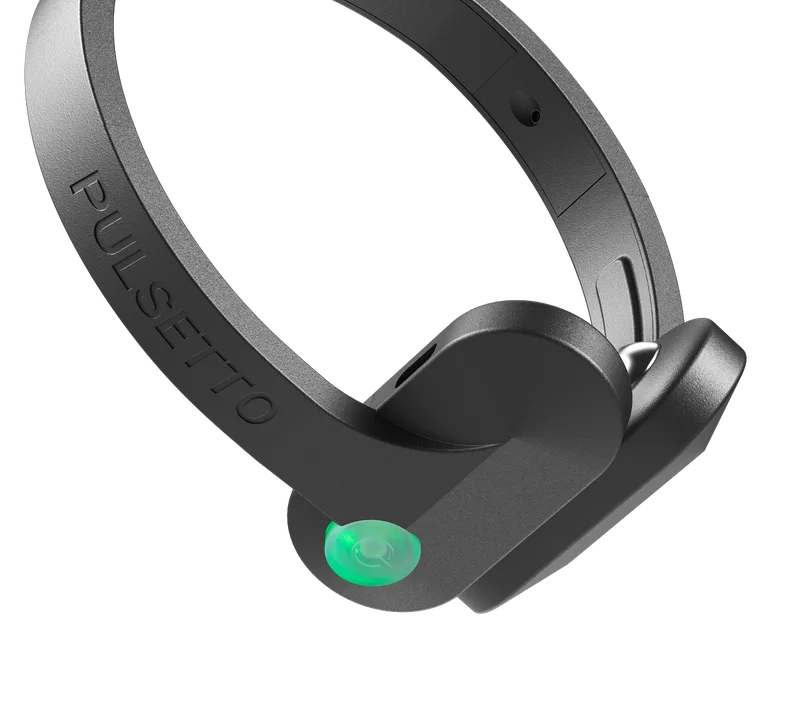
Pulsetto is personal — each person wears their own, so a multi-device pack drops the per-device price for the whole household. Every order is covered by a 30-day money-back trial.
Pulsetto makes a short, guided calm-down easy to build into a busy day — a gentle, drug-free session backed by a 30-day money-back trial.
Explore Pulsetto PackagesEveryone has a natural dip in alertness in the early afternoon as part of their circadian rhythm. It feels like a wall rather than a lull when it is amplified by a blood-sugar spike from lunch, morning caffeine wearing off, mild dehydration, sleep debt or ongoing stress.
Often, yes. A lunch high in refined carbohydrates and sugar sends blood sugar up quickly and then down just as fast, and that downswing is felt as fatigue and brain fog. Pairing protein, fibre and healthy fats with your carbs flattens the spike and softens the crash.
It usually backfires. Caffeine only delays the brain's rest signal, so a big morning habit can make the afternoon dip worse when it wears off, and late caffeine harms that night's sleep, feeding the next day's slump. Water and a short walk are more reliable resets.
Drink water first, take a ten-minute walk in daylight, do a few rounds of slow breathing, and if you snack, pair protein or fat with any carbs. Longer term, balance your lunches, time caffeine earlier, protect your sleep and build in short daily downshifts.
It is not an energy supplement or stimulant. A vagus nerve wearable such as Pulsetto offers a short calm reset that can restore focus better than caffeine for a nervous system that has been running hot all day. Use it alongside food, movement and sleep habits. It supports general relaxation and wellbeing, not the treatment of fatigue.
† These statements have not been evaluated by the FDA. Pulsetto is a general-wellbeing device, not a medical device or treatment, and is not intended to diagnose, treat, cure or prevent any disease. This article is for general information only and is not medical advice. Affiliate disclosure: pulsettoos.com is an independent guide, not the manufacturer or the seller. Some links on this page are affiliate links and we may earn a commission if you buy through them, at no extra cost to you. That never changes the price you pay or what we write.
The Pulsetto Research Team is a small group of health writers, nervous-system educators and wellness researchers who translate the science of stress, sleep and the vagus nerve into plain, practical English. Every guide is fact-checked against peer-reviewed research and respected medical references before it is published, and reviewed again whenever the evidence moves. We write to inform, not to diagnose — our aim is to help you understand your body and make calmer, better-informed choices. This article reflects general research and traditional wellbeing practice; it is not a substitute for advice from your own doctor.