
| What it is | Brain fog is not a medical diagnosis — it is a plain-English word for feeling mentally slow, forgetful or unfocused. |
| Top causes | Poor sleep, chronic stress, blood-sugar swings, dehydration, too much caffeine or alcohol, low movement and nutrient gaps — often several at once. |
| Clear it naturally | Protect sleep, hydrate, eat balanced meals, move daily, take screen breaks and calm a keyed-up nervous system. |
| Timeframe | A foggy morning can lift in hours; fog from ongoing stress or sleep debt eases over days to weeks. |
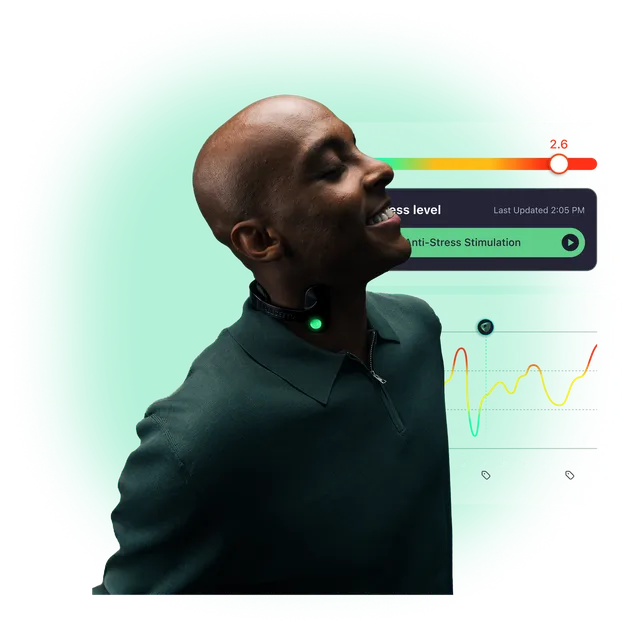
You sit down to work and the words slide off the page. You walk into a room and forget why. A simple email takes three times as long, and by mid-afternoon your head feels like it is wrapped in cotton wool. That everyday experience is what most people mean by brain fog — and understanding what causes brain fog is the first step to clearing it.
The important thing to know up front is that brain fog is not itself a disease or a diagnosis. It is a description of a cluster of feelings: slow thinking, poor concentration, a fuzzy memory and mental fatigue. Because it is a symptom rather than a condition, it usually points to something upstream in your daily life — and more often than not, several things at once. The good news is that most of those upstream inputs are the kind of things you can actually influence.
One of the most under-appreciated drivers of foggy thinking is a nervous system that never quite powers down. When your body spends long stretches in a low-grade stress response — the “fight-or-flight” state — it prioritises fast, reactive thinking over the slower, deliberate work of focus, planning and memory. Stress hormones like cortisol and adrenaline are brilliant for sprinting away from danger and much less helpful when you are trying to concentrate on a spreadsheet.
That is why chronic stress and brain fog so often travel together. Prolonged stress narrows attention onto whatever feels threatening, fragments your sleep, encourages shallow breathing and can nudge you toward more caffeine and less movement — each of which feeds the fog. If you frequently feel keyed up or wired, it is worth reading our companion guide on why you feel stuck in fight-or-flight mode, because calming that state is often the single biggest lever for clearer thinking. A review of the effects of sleep deprivation on cognition describes the same narrowing where sleep loss is the driver, which is part of why stress and fog so often arrive together.
When people ask what causes brain fog, they are usually hoping for one culprit. In practice it is normally a stack of small things. Here are the usual suspects.
Sleep is when the brain consolidates memories and clears metabolic waste. Miss it, break it, or spend the night in light, restless stages, and the next day almost always feels foggy. If you struggle with waking in the small hours, our guide on why you wake up at 3am and can't fall back asleep covers the common causes and fixes. The cognitive cost of missing it is well quantified: a meta-analysis of short-term sleep deprivation found significant impairment across attention and working memory, and a later meta-analytic review of sleep restriction reported similar decrements from the partial sleep loss most people actually experience.
The brain runs on a steady drip of glucose, which is why the fog so often peaks mid-afternoon — see why you crash in the afternoon for the full mechanism. Skip meals or lean on fast-digesting sugar and refined carbs, and your blood sugar spikes then crashes — and the crash can feel exactly like fog, complete with irritability and a mid-afternoon slump. Balanced meals with protein, fibre and healthy fat smooth that curve.
Even mild dehydration is linked with reduced concentration and a heavier, more sluggish feeling. Many people simply do not drink enough water across the day, especially when coffee is doing most of the hydrating. Controlled trials found that mild dehydration impaired cognitive performance and mood in men and affected mood, concentration and headache in young women.
Caffeine can sharpen focus in the moment but, in excess or too late in the day, it disrupts sleep and can leave you jittery-then-flat. Alcohol, even a couple of drinks, fragments sleep quality and often shows up as next-day fog. In a controlled study, caffeine taken even six hours before bed measurably reduced total sleep time, so the afternoon coffee can be tomorrow’s fog.
Movement increases blood flow to the brain and helps regulate mood and energy. Long, unbroken hours at a desk do the opposite — circulation slows, posture collapses and alertness dips.
Jumping between tabs, messages and notifications taxes working memory and leaves attention frayed. What feels like a broken brain is often just a brain asked to hold too many things at once with no recovery time.
Low intake of nutrients such as B vitamins, iron, omega-3s and magnesium can all show up as low mental energy. The gut plays a role too: the gut and brain are in constant conversation, which is why digestion and mood so often move together. We unpack that link in our guide to the gut-brain connection and how stress affects digestion.
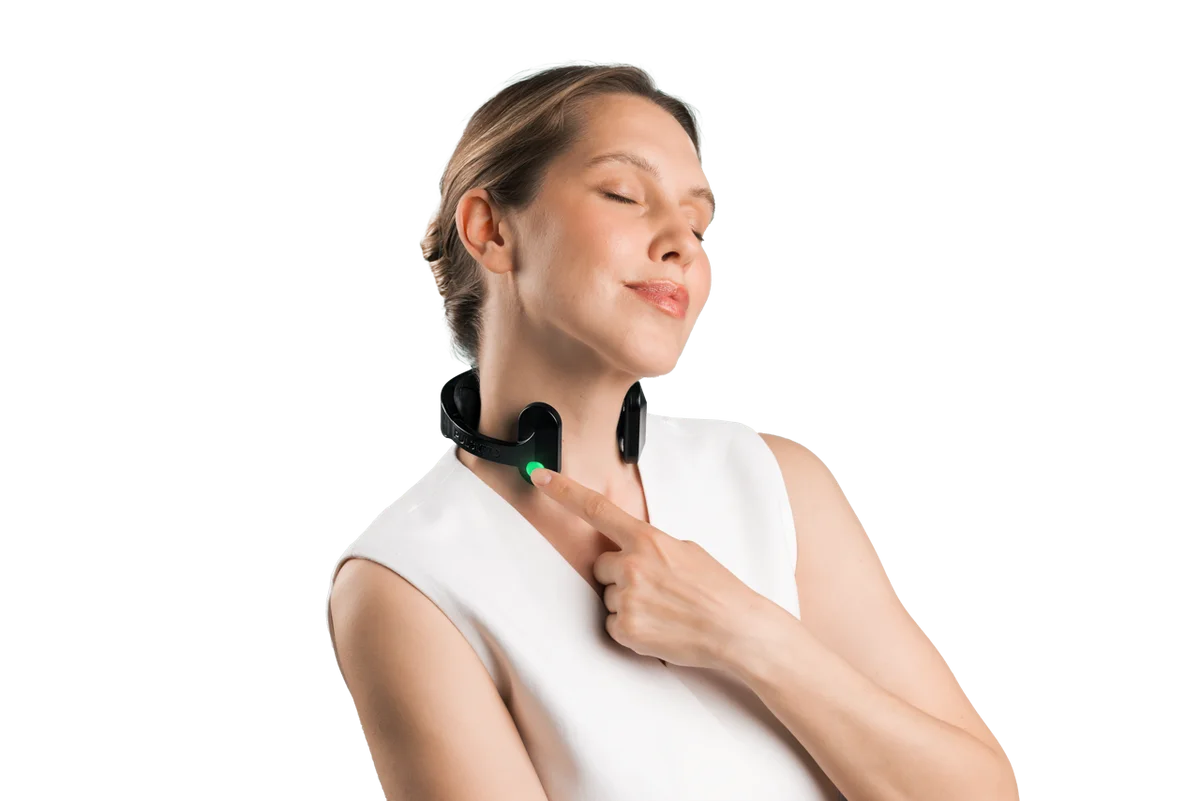
Because the causes stack, the fixes work best as a bundle of steady habits rather than a single hack. Here is a practical, natural approach that targets the common causes above.
Nothing else on this list works well on a poorly slept brain. Aim for a consistent bed and wake time, dim the lights and screens in the last hour, and keep the room cool and dark. Steadier sleep is the foundation everything else builds on.
Keep water within reach and sip through the day. Build meals around protein, fibre and healthy fats so your blood sugar — and your concentration — stays level. Our guide to foods that calm the nervous system is a good starting point for a fog-friendly plate.
A brisk walk, some light stretching or a few minutes of movement every hour keeps blood flowing and alertness up. You do not need a gym session — you need to interrupt the stillness.
Work in focused blocks on one thing, then step away from the screen entirely. Even a few minutes of looking out a window or walking outside lets working memory recover. Sunlight early in the day also helps anchor your body clock, which supports both sleep and daytime clarity.
Because a revved-up nervous system is such a common fog driver, deliberately downshifting it can pay off. Slow, extended exhales are one of the fastest ways to signal calm — our roundup of the best breathing exercises for anxiety and stress relief walks through several. Building a few small, repeatable calming habits into the day, as in our guide to daily habits to lower cortisol naturally, gives your brain more of the settled, focused state it needs.
See how a 4-minute calm habit fits your day
One of the body's main “off switches” for the stress response is the vagus nerve — the long nerve that carries much of the “rest-and-digest” signalling between brain and body. When you exhale slowly, hum, or spend time relaxed, you are gently engaging that pathway. Some people add non-invasive vagus nerve support to make that downshift easier to reach on a busy day.
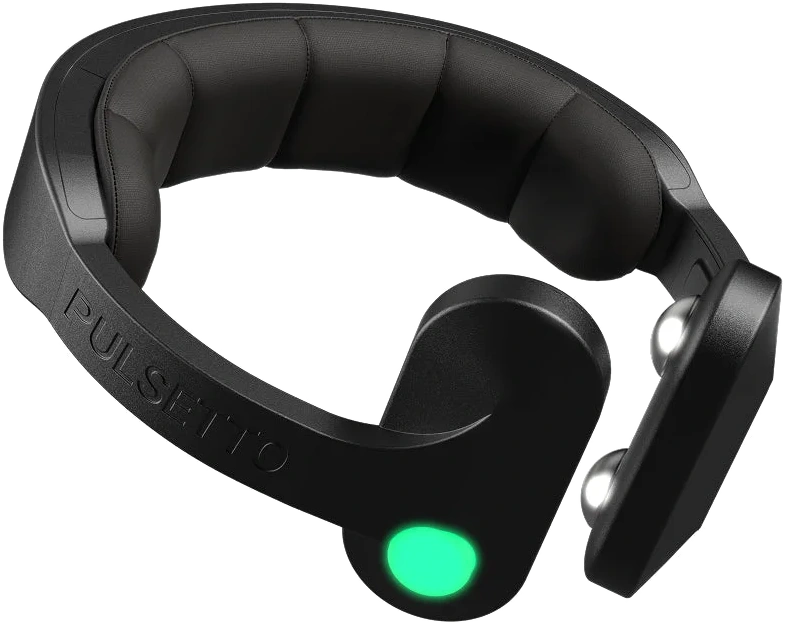
Pulsetto is an at-home wearable that delivers gentle transcutaneous vagus nerve stimulation (tVNS) through the neck in short, app-guided sessions of about four minutes. You choose a program — stress, anxiety, sleep or burnout — set a comfortable intensity, and relax.
It is not a cure for brain fog and not a substitute for sleep, food, water and movement. It is simply one more calming input that is easy to keep up with, sitting alongside the habits in this guide. Pulsetto is intended for general relaxation and wellbeing, not as a treatment for any medical condition.
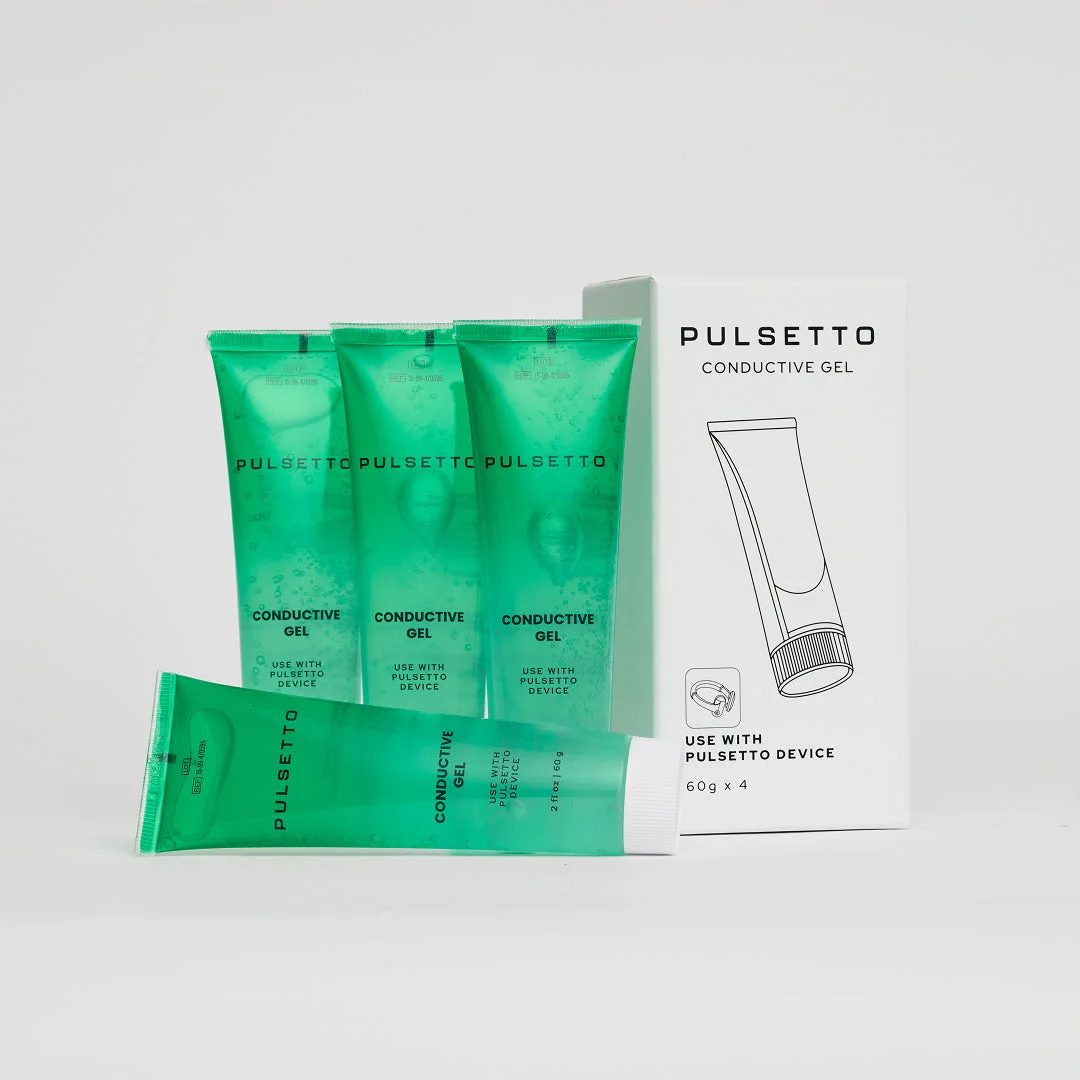
Pulsetto turns vagus nerve support into a short, guided daily habit — backed by a 30-day money-back trial. Explore single and multi-device packs and the conductive-gel refills.
Most everyday fog traces back to the lifestyle inputs above and eases when you tend to them. But brain fog can also be linked to medical factors — thyroid issues, anaemia, certain medications, hormonal shifts, infections and more. If your fog is severe, persistent, worsening, or paired with other symptoms that worry you, that is a conversation to have with a healthcare professional rather than something to push through. This article is general information, not a diagnosis.
Brain fog is not a diagnosis but a description of feeling mentally slow, forgetful or unfocused. The most common everyday causes are poor or broken sleep, chronic stress and a nervous system stuck in overdrive, blood-sugar swings, dehydration, too much caffeine or alcohol, low movement, and nutrient gaps. Often several of these stack up at once.
Start with the basics that have the biggest effect: protect your sleep, drink water through the day, eat balanced meals that steady blood sugar, move your body regularly, and take real breaks from screens. Calming a keyed-up nervous system with slow breathing or gentle vagus nerve support can also help you focus. Improvements usually build over days and weeks, not minutes.
Yes. When the body stays in a prolonged stress response, attention narrows onto perceived threats and working memory suffers, which can feel like fog. Elevated cortisol, shallow breathing and disrupted sleep all add to it. Calming the stress response is one of the most useful levers for clearer thinking.
It depends on the cause. A foggy morning after a poor night's sleep or a skipped meal can lift within hours once you rest, hydrate and eat. Fog driven by ongoing stress, sleep debt or lifestyle habits tends to ease over one to a few weeks of steadier routines. Individual responses vary.
If brain fog is severe, persistent, getting worse, or comes with other symptoms that concern you, speak with a healthcare professional. Fog can have medical causes worth ruling out. This article is general information only and is not medical advice.
† These statements have not been evaluated by the FDA. Pulsetto is a general-wellbeing device, not a medical device or treatment, and is not intended to diagnose, treat, cure or prevent any disease. This article is for general information only and is not medical advice. Affiliate disclosure: pulsettoos.com is an independent guide, not the manufacturer or the seller. Some links on this page are affiliate links and we may earn a commission if you buy through them, at no extra cost to you. That never changes the price you pay or what we write.