
| What cortisol is | A hormone that manages energy and the stress response — meant to rise in the morning and fall by night. |
| The real issue | Chronic stress keeping it elevated or disrupting its natural daily rhythm. |
| Best daily levers | Consistent sleep, morning light, sensible exercise, balanced meals, slow breathing and real downtime. |
| Bonus support | Practices that support vagal tone, the body's calming counterbalance to stress. |
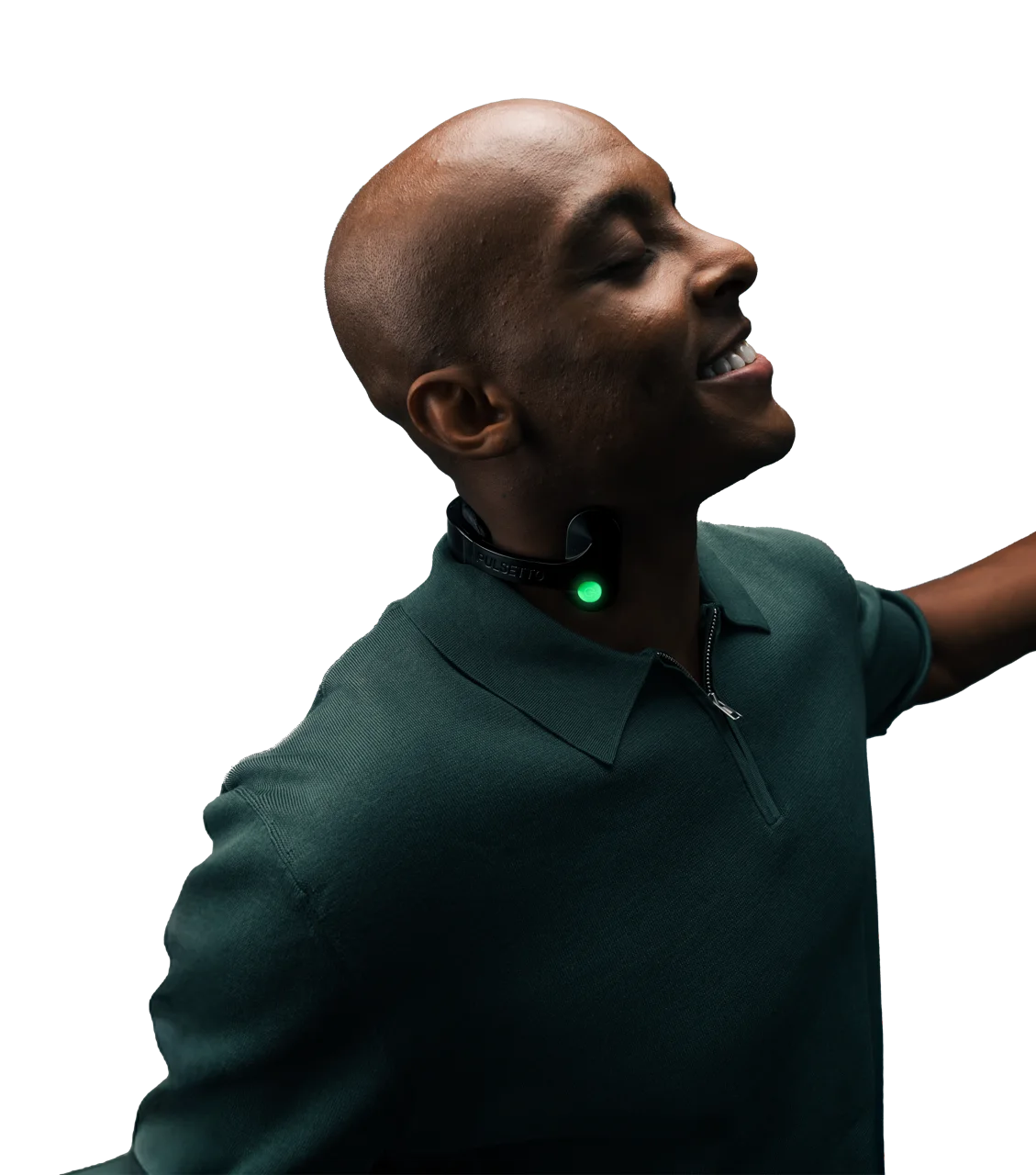
“Lower your cortisol” has become wellness shorthand for “stress less,” but the hormone itself is not something to fear. Cortisol helps you wake up, manage blood sugar, and rise to a challenge. The trouble starts when modern life keeps it elevated around the clock, or scrambles its natural daily pattern. This guide focuses on daily habits to lower cortisol naturally — not by chasing a number, but by helping your body restore a healthy rhythm.
We will cover what cortisol actually does, the everyday signs it may be running high, and a simple, repeatable routine built from habits that support your nervous system. None of this is exotic; the power is in doing a few basics consistently.
In a healthy pattern, cortisol follows a curve. It surges in the morning to get you up and going — the “cortisol awakening response” — then tapers through the day, reaching its low in the middle of the night so you can sleep. This rhythm is meant to work with your body clock.
Cortisol also spikes usefully during stress: it sharpens focus and frees up energy so you can respond, then settles once the challenge passes. The problem is chronic stress. When the pressure never lets up, cortisol can stay high or lose its clean daily shape — and that flattening is what people are really trying to fix when they talk about lowering it. The long-run cost of a stress response that never switches off is what researchers call allostatic load — the wear and tear caused by stress mediators when they stay switched on.
There is no way to know your levels from symptoms alone, and all of these can have other explanations. Still, when several cluster together, they are useful clues:
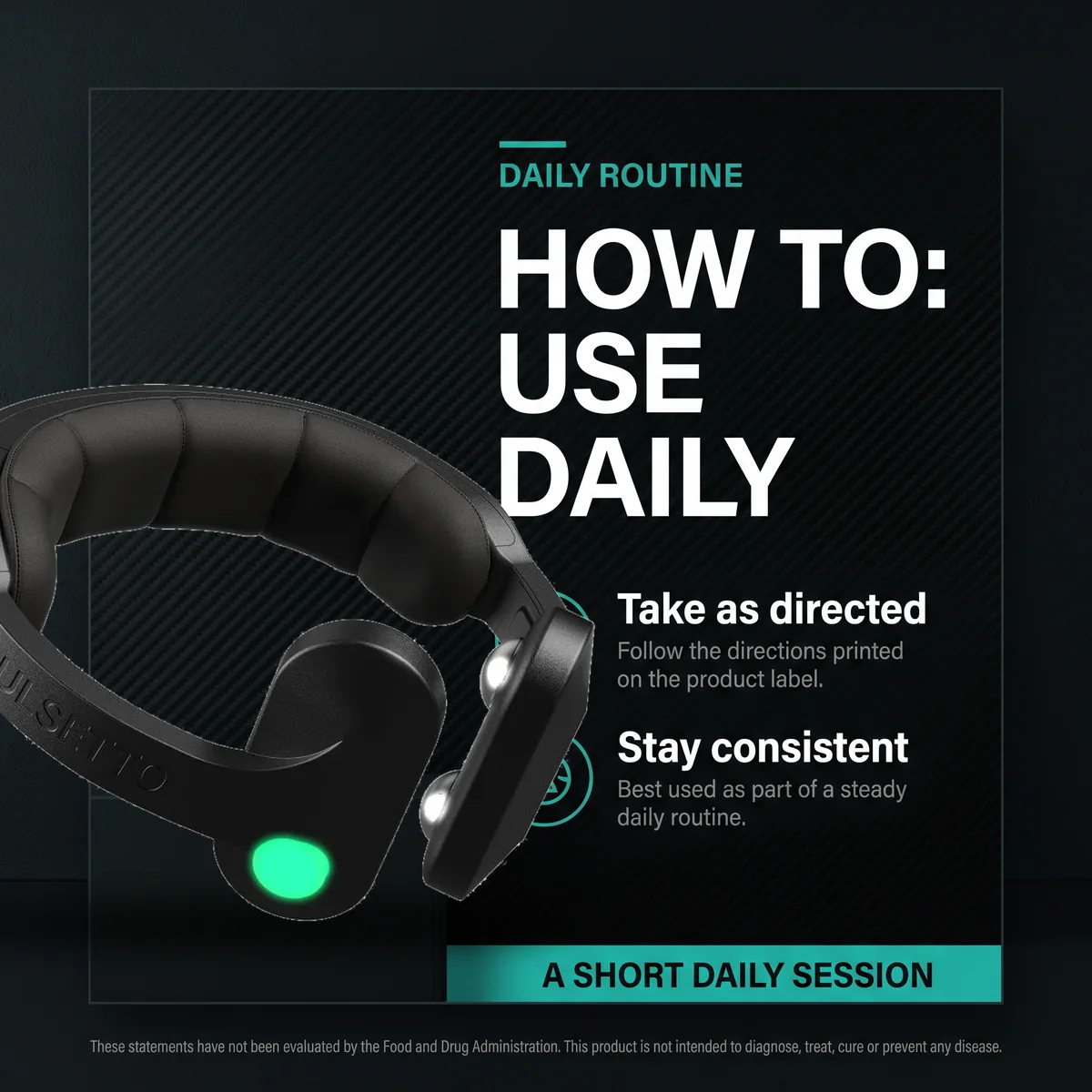
Rather than a long list of rules, think in terms of anchoring your day. These habits reinforce cortisol's natural curve — up in the morning, down at night.
Getting bright daylight soon after waking helps set your body clock, which supports a healthy morning cortisol rise and, in turn, an easier wind-down at night. Even ten minutes outside counts.
Sleep is the single biggest lever, and it is also where the stress load reaches your defences — see how stress affects your immune system for that side of the story. A steady bedtime and wake time — even on weekends — and a cool, dark room help keep cortisol's rhythm in shape. Poor sleep and high cortisol feed each other, so protecting sleep breaks the loop.
Regular, moderate movement helps discharge stress and supports a healthier stress response over time. Walking, cycling, strength work and yoga are all excellent. The nuance: chronic over-training with too little recovery can push cortisol the wrong way, so balance effort with rest.
Slow breathing with a long exhale — in for about four, out for six to eight — engages the parasympathetic, rest-and-digest system that counterbalances the stress response. A few rounds several times a day is a genuine reset. For the wider toolkit, see how to stimulate the vagus nerve for stress and sleep. A systematic review of slow breathing found consistent autonomic and psychological shifts at these slower rates.
Blood-sugar crashes prompt the body to release stress hormones, so skipping meals or living on refined sugar can quietly keep cortisol busy. Balanced meals with protein, fibre and healthy fat smooth things out — our guide to foods that calm the nervous system covers this in detail.
Caffeine nudges the same stress chemistry as cortisol; keeping it to the morning helps, especially if you are sensitive. Alcohol can disrupt sleep and the next day's rhythm, so modest and early is the friendlier approach.
Connection, laughter, time in nature and unhurried breaks are not luxuries — they are direct inputs to your calming system. Because chronic stress rarely ends on its own, you have to create the “all-clear” moments yourself. Constant screens and doom-scrolling do the opposite, so protect some genuinely offline time. A meta-analysis of meditation programmes found moderate evidence of improvement in anxiety, depression and pain, and little evidence of benefit for other outcomes — useful, then, but not a cure-all, which is roughly how to think about every habit on this list.
Stress and digestion are deeply linked, and a calmer gut supports a calmer you. See the gut-brain connection and how stress affects digestion for the full picture.
See how Pulsetto fits your daily routine
All of the habits above share a theme: they shift you out of the stress response and into rest-and-digest. Because the vagus nerve leads that calming system, supporting healthy vagal tone is a natural complement to a cortisol-friendly routine. Breathing and humming do it for free; some people also add short, non-invasive vagus nerve sessions to make one more calm-building habit easy to keep up with.
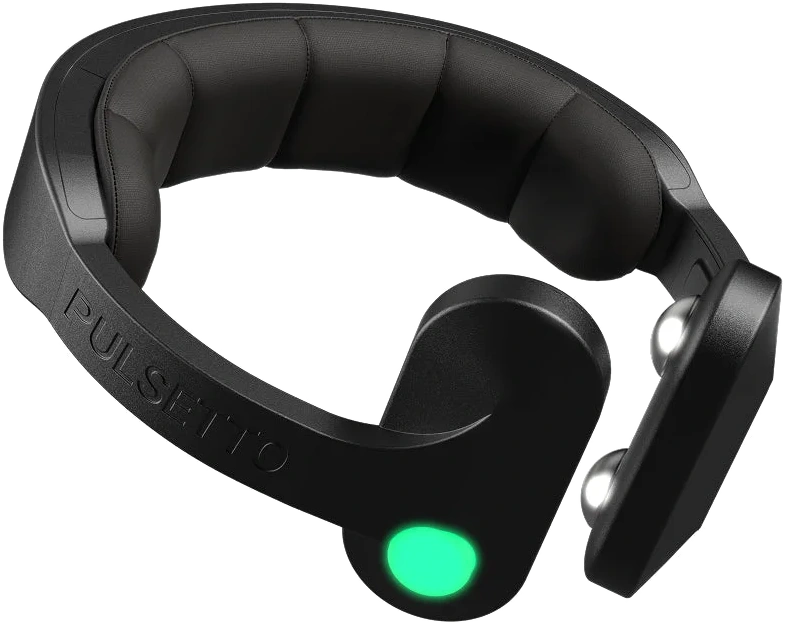
Pulsetto is an at-home wearable that delivers gentle transcutaneous vagus nerve stimulation (tVNS) through the neck in short, app-guided sessions of about four minutes. You choose a program — stress, anxiety, sleep or burnout — set a comfortable intensity, and relax.
A four-minute session with a clear start and finish can be easier to keep up with than an open-ended “try to relax,” which is exactly why it slots neatly into a daily routine. It is not a treatment and does not lower any measured value — Pulsetto is intended for general relaxation and wellbeing, working best alongside the habits in this guide.
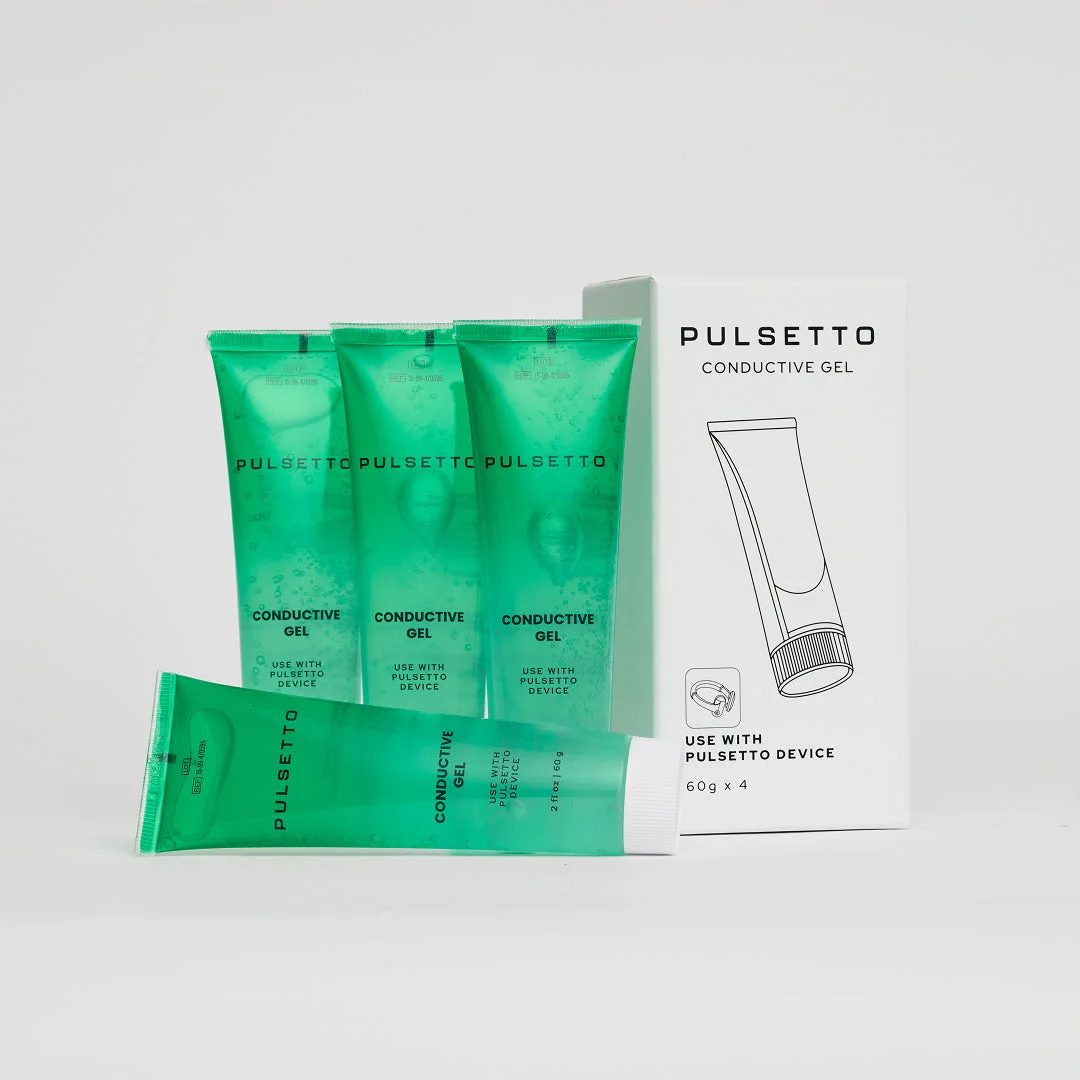
Pulsetto turns vagus nerve support into a short, guided daily routine — backed by a 30-day money-back trial. Explore single and multi-device packs and the conductive-gel refills.
Lifestyle habits support general wellbeing, but they are not a substitute for medical care, and you cannot judge a hormone level by how you feel. If symptoms are persistent, severe, or worrying — or if you suspect a medical cause — please talk to a healthcare professional, who can assess properly. If you have a heart condition, epilepsy, an implanted electronic device, or you are pregnant or under medical care, talk to your doctor before trying any form of nerve stimulation. The National Center for Complementary and Integrative Health takes the same line on stress-management practices.
Cortisol is a hormone that helps manage energy, blood sugar and the stress response. It is meant to rise in the morning and fall through the day. It becomes a problem mainly when chronic stress keeps it elevated or disrupts its natural daily rhythm.
The most reliable levers are consistent sleep, morning daylight, regular but not excessive exercise, balanced meals that steady blood sugar, sensible caffeine and alcohol, slow breathing, and time for connection and nature. Together these help keep cortisol's daily rhythm healthy.
Everyday signs people describe include feeling wired but tired, trouble sleeping, cravings for sugar or salt, a racing mind, low mood or irritability, and getting run down easily. These are non-specific and can have many causes, so they are clues rather than a diagnosis.
Slow breathing with a long exhale engages the parasympathetic, rest-and-digest system led by the vagus nerve, which counterbalances the stress response. Practices that support vagal tone are commonly used to help the body settle. Individual results vary.
A single calming session can help you feel settled quickly, but rebalancing your daily rhythm takes consistency over weeks. Think of it as steady habits rather than a quick fix, and see a professional if symptoms persist or worry you.
† These statements have not been evaluated by the FDA. Pulsetto is a general-wellbeing device, not a medical device or treatment, and is not intended to diagnose, treat, cure or prevent any disease. This article is for general information only and is not medical advice. Affiliate disclosure: pulsettoos.com is an independent guide, not the manufacturer or the seller. Some links on this page are affiliate links and we may earn a commission if you buy through them, at no extra cost to you. That never changes the price you pay or what we write.