
| What it is | The gut-brain connection is the two-way link between your digestive system and brain, carried largely by the vagus nerve. |
| Why stress hits the gut | Fight-or-flight diverts resources away from digestion, changing gut movement, acid and sensitivity. |
| Common feelings | Churning stomach, cramping, bloating, nausea, appetite swings or a “nervous stomach.” |
| What helps | Mindful eating, fibre and fermented foods, hydration, movement, sleep and supporting vagal tone. |

Butterflies before a big moment. A knot in your stomach during a hard week. A rush to the bathroom before an exam. If your gut seems to have a mind of its own, that is because — in a sense — it does. Your digestive tract is lined with hundreds of millions of nerve cells, so many that scientists sometimes call it the “second brain.” And it talks to your head constantly. Understanding this gut-brain connection is one of the clearest ways to see how stress affects digestion, and what you can actually do about it.
This guide keeps things practical: what the gut-brain axis is, how the stress response reaches your stomach, the everyday symptoms people notice, and the daily habits that help both ends of the conversation settle down.
The gut and brain are linked by a constant two-way exchange, often called the gut-brain axis. Three main channels carry the messages: The neuroscientist Emeran Mayer set out the modern version of this picture in a review of the emerging biology of gut-brain communication.
Because the traffic runs both ways, a stressed brain can unsettle the gut — and an unsettled gut can send signals that colour your mood. It is a loop, which is exactly why it can feel so stubborn.
When your brain perceives a threat, it triggers the fight-or-flight response. The logic is ancient: if you are running from danger, digestion is not the priority, so the body pulls resources away from it. Several things shift at once: Clinical reviews of stress and the gut describe the same redirection: motility, secretion and blood flow all shift when the stress response takes priority.
Resources are redirected to the heart, lungs and limbs. With digestion deprioritised, the normal rhythm of the gut can be thrown off.
For some people, stress accelerates things — hence the urgent bathroom trips. For others it slows things down, contributing to bloating or discomfort. Both are versions of the same interrupted rhythm.
Stress can alter the release of digestive juices and affect the gut lining and its microbes over time. Ongoing stress may also make the gut more sensitive, so normal sensations are felt more intensely.
This is why a “nervous stomach” is so common, and why the same meal can sit fine on a calm day and feel awful on a frantic one. If you tend to feel switched on all the time, our guide to why you feel stuck in fight-or-flight mode explains the wider pattern behind it. It is also why stress features so heavily in the literature on the impact of psychological stress on irritable bowel syndrome, and why the National Institute of Diabetes and Digestive and Kidney Diseases lists stress management among the everyday measures for IBS.
These experiences are common and very human. They are not, on their own, a diagnosis — persistent or severe symptoms deserve a proper look from a professional, which we cover below.

Because the vagus nerve carries so much of the gut-brain traffic, it sits at the centre of this story. When the body is calm and vagal activity is healthy, digestion tends to run more smoothly — the rest-and-digest side is, quite literally, named for it. When the stress response dominates, that calm line gets drowned out. Supporting healthy vagal tone is therefore a natural focus for anyone whose digestion reacts to stress. A review of the vagus nerve as a modulator of the brain-gut axis describes how vagal signalling links gut state to mood and inflammation.
You can support it with the same tools that calm the rest of the nervous system: slow breathing with a long exhale, humming or singing, gentle movement, and good sleep. Our companion guide on how to stimulate the vagus nerve for stress and sleep walks through each method.
See how Pulsetto supports rest-and-digest calm
Rushing a meal while stressed is asking the body to digest with the brake off. Slow down, chew well, and try to eat away from screens and deadlines. Even a few calm breaths before eating can help shift you toward rest-and-digest.
A varied, fibre-rich diet with plenty of plants gives beneficial gut microbes what they need, while fermented foods add helpful microbes directly. For a full breakdown, see our guide to foods that calm the nervous system.
Water supports normal digestion, and gentle daily movement — even a short walk after meals — helps keep the gut's rhythm steady and supports a healthier stress response overall.
Sleep and digestion influence each other, and poor sleep tends to worsen both stress and gut comfort. If your nights are broken, our guide on why you wake up at 3am and can't fall back asleep may help.
Because stress and digestion are linked, managing stress is gut care. Long-exhale breathing, time outdoors, unhurried breaks, and for some people non-invasive vagus nerve support all give the rest-and-digest system a turn.
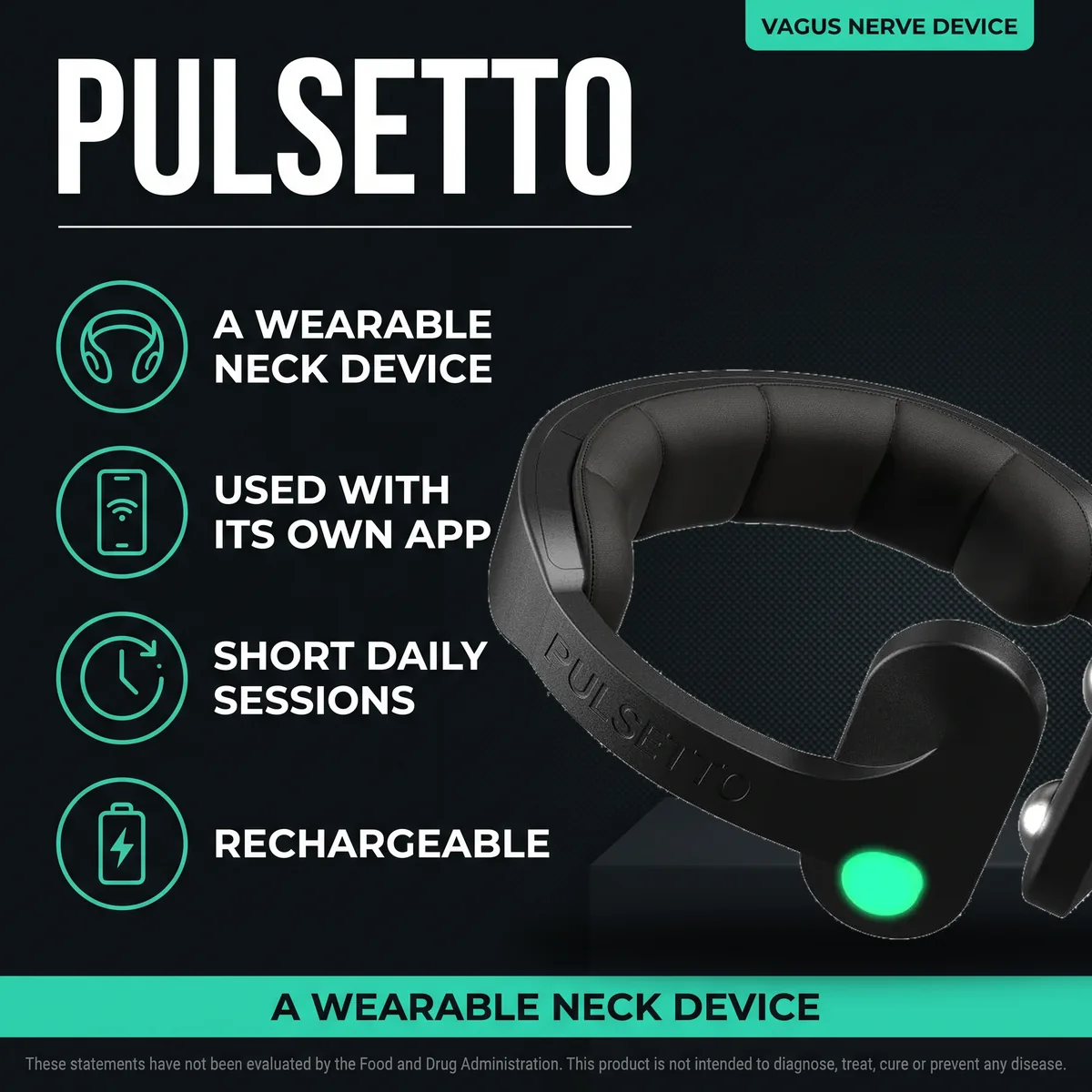
Pulsetto is an at-home wearable that delivers gentle transcutaneous vagus nerve stimulation (tVNS) through the neck in short, app-guided sessions of about four minutes. You choose a program, set a comfortable intensity, and relax.
Since the vagus nerve is central to the rest-and-digest response, some people use a short daily session as one more way to invite calm alongside mindful eating, movement and sleep. It is not a digestive treatment and does not replace medical care — Pulsetto is intended for general relaxation and wellbeing only.
Pulsetto turns vagus nerve support into a short, guided daily habit — backed by a 30-day money-back trial. Explore single and multi-device packs and the conductive-gel refills.
Everyday, stress-linked stomach upset is common, but some symptoms need a proper assessment. Please see a healthcare professional for persistent, severe or worsening digestive symptoms, unexplained weight loss, blood in the stool, or any change that worries you. The habits here support general wellbeing; they are not a diagnosis or a substitute for medical care. If you have a heart condition, epilepsy, an implanted electronic device, or you are pregnant or under medical care, talk to your doctor before trying any form of nerve stimulation.
The gut-brain connection is the two-way communication between your digestive system and your brain, carried largely by the vagus nerve, along with hormones and the gut microbiome. It is why emotions can affect your stomach and why the state of your gut can influence how you feel.
During the fight-or-flight response, the body diverts resources away from digestion to prioritise dealing with a perceived threat. This can slow or speed up gut activity, change acid and enzyme release, and heighten gut sensitivity, which is felt as cramping, bloating, nausea or a churning stomach.
The vagus nerve is the main pathway of the rest-and-digest system and carries a large share of gut-to-brain signals. When the body is calm and vagal activity is healthy, digestion tends to run more smoothly; when the stress response dominates, digestion is deprioritised.
Eating slowly and mindfully, a fibre-rich diet with fermented foods, staying hydrated, moving regularly, protecting sleep and managing stress all support the gut-brain axis. Supporting healthy vagal tone through breathing, humming or non-invasive tVNS is another common approach.
See a healthcare professional for persistent, severe or worsening symptoms, unexplained weight loss, blood in the stool, or any digestive change that worries you. Lifestyle habits support general wellbeing but are not a diagnosis or a substitute for medical care.
† These statements have not been evaluated by the FDA. Pulsetto is a general-wellbeing device, not a medical device or treatment, and is not intended to diagnose, treat, cure or prevent any disease. This article is for general information only and is not medical advice. Affiliate disclosure: pulsettoos.com is an independent guide, not the manufacturer or the seller. Some links on this page are affiliate links and we may earn a commission if you buy through them, at no extra cost to you. That never changes the price you pay or what we write.