
| Why it happens | Stress braces the body, and the neck, shoulders and jaw are the first muscles to tighten — then stay tight. |
| What makes it worse | Hunched desk posture, shallow breathing, screens, and a nervous system stuck on alert. |
| Release it two ways | Physically loosen the muscles and calm the stress signal keeping them tense. |
| Fastest calming lever | Slow breathing with a long exhale — in for 4, out for 6–8 — plus shoulder rolls. |
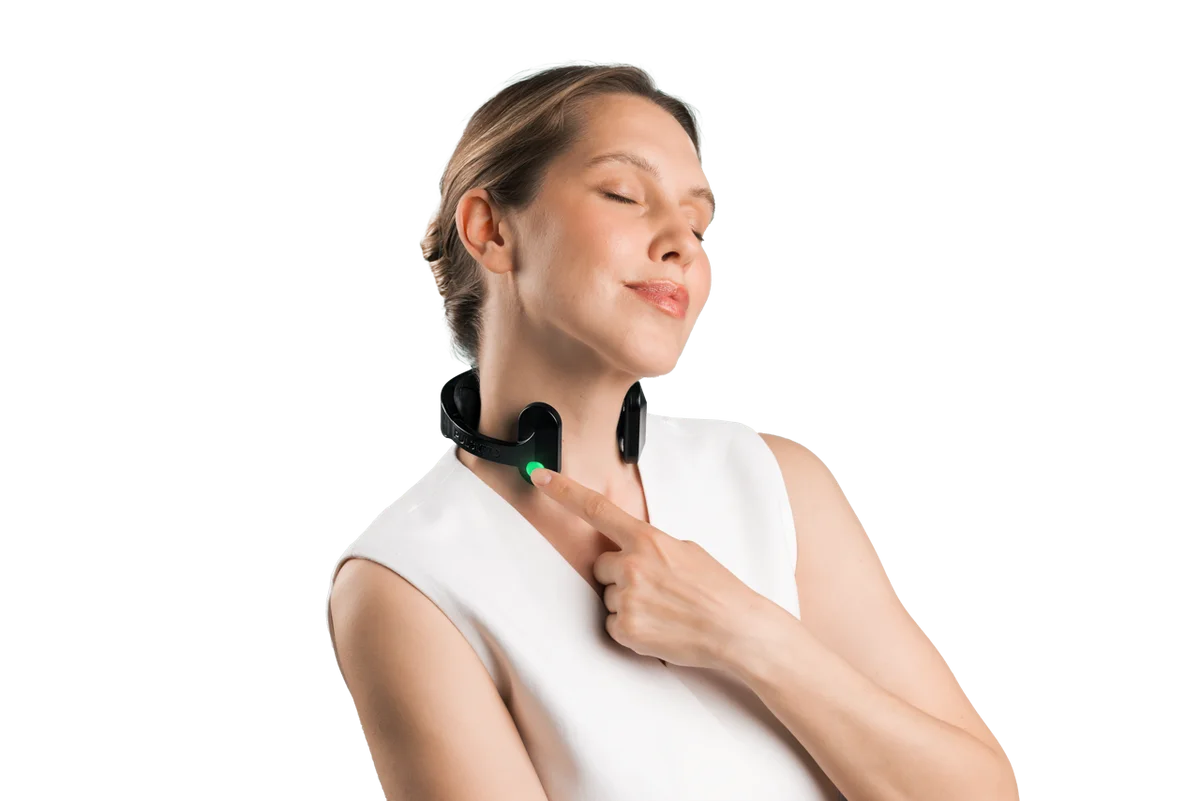
Almost everyone knows the feeling: a hard day, and by evening your shoulders are somewhere up around your ears, your neck aches, and your jaw is tight. Neck and shoulder tension from stress is one of the most common ways the body wears its worries — and understanding why it happens is the first step to releasing it.
When your brain senses pressure, it triggers the fight-or-flight response, priming your body for action. Muscles brace, ready to move. And the muscles that guard your head and spine — the trapezius across the tops of the shoulders, the muscles along the neck, and the jaw — are among the very first to tighten. In a genuine emergency that bracing is protective and brief. The trouble with modern stress is that it is rarely brief. Deadlines, notifications and low-grade worry keep the alarm humming, so those guarding muscles never get the all-clear to let go. Hold that pattern for hours, days and weeks and it becomes the default: tight, aching shoulders you carry around without noticing you are doing it. Held long enough, that bracing becomes part of what McEwen called allostatic load — the wear caused by stress mediators that stay switched on.
In other words, stress-related tension is not just a “muscle problem.” It is a nervous-system pattern showing up in your muscles. That is good news, because it means you can work on it from both ends.
If your body rarely reaches a genuinely relaxed state, the muscles that brace under stress stay switched on. This is the muscular face of being stuck in a low-grade stress response — something we explore fully in why you feel stuck in fight-or-flight mode. Until the underlying alarm quietens, stretching alone tends to give only temporary relief.
Long hours at a screen ask the neck and shoulder muscles to hold your head forward and still for hours at a time. A head that drifts forward dramatically increases the load on those muscles, and staying frozen in one position means they never get a chance to relax and reset. Desk work quietly stacks a physical tension driver on top of a mental one.
Under stress, breathing tends to become fast and shallow, pulled up into the chest and shoulders rather than the belly. That recruits the neck and shoulder muscles as accessory breathing muscles — hundreds of times an hour. Over a day, that is a lot of low-level effort landing in exactly the area that already hurts. The pattern travels with the symptom: a cross-sectional study reported an association between neck pain, dysfunctional breathing and stress.
Stress often shows up in the jaw, whether through daytime clenching or night-time grinding. Because the jaw, neck and shoulder muscles are so interconnected, a tense jaw frequently travels down into the neck, and vice versa — our guide to jaw clenching and teeth grinding from stress covers that end of the chain, and the same bracing pattern is behind tension headaches from stress.
Sleep is when muscles recover. Short or fragmented sleep leaves them less able to release and more sensitive to discomfort, while a night braced against a racing mind can mean waking up already tense. If your mornings start stiff, our guide on why you wake up at 3am and can’t fall back asleep may help you address the sleep side of the loop.
Your autonomic nervous system has two branches. The sympathetic branch braces you for action and keeps muscles primed. The parasympathetic branch — led by the vagus nerve — is the “rest-and-digest” side that lets the body stand down. When the calming branch takes over, the signal to hold everything tight eases, and muscles are far more willing to release. How responsive the calming branch is can be estimated from heart rate variability, the standard index of cardiac vagal tone.
This is why so many people find that pure physical fixes — a quick stretch, a massage — feel wonderful but wear off fast if the underlying stress stays high. Lasting relief usually comes from working both angles: physically loosening the tissue and calming the nervous system that keeps ordering it to brace. The neck also happens to be a convenient place to influence that calming system, which is part of why gentle neck-focused routines are popular for tension and stress alike.
Aim to combine a physical release with a nervous-system reset. Pick a couple from each list and repeat them daily.
See the Pulsetto Vagus Nerve Device A meta-analysis of voluntary slow breathing reported measurable effects on heart rate and heart rate variability.
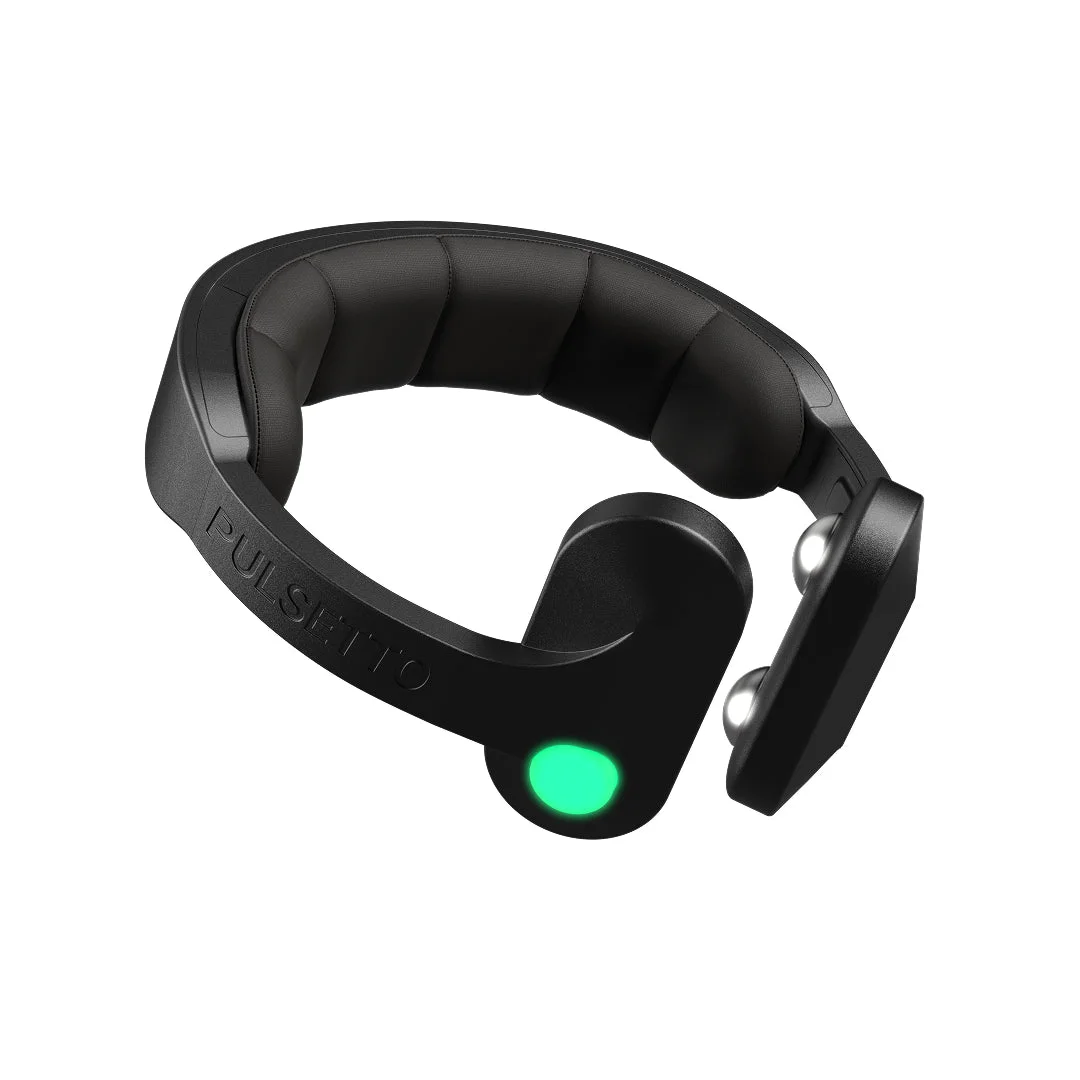
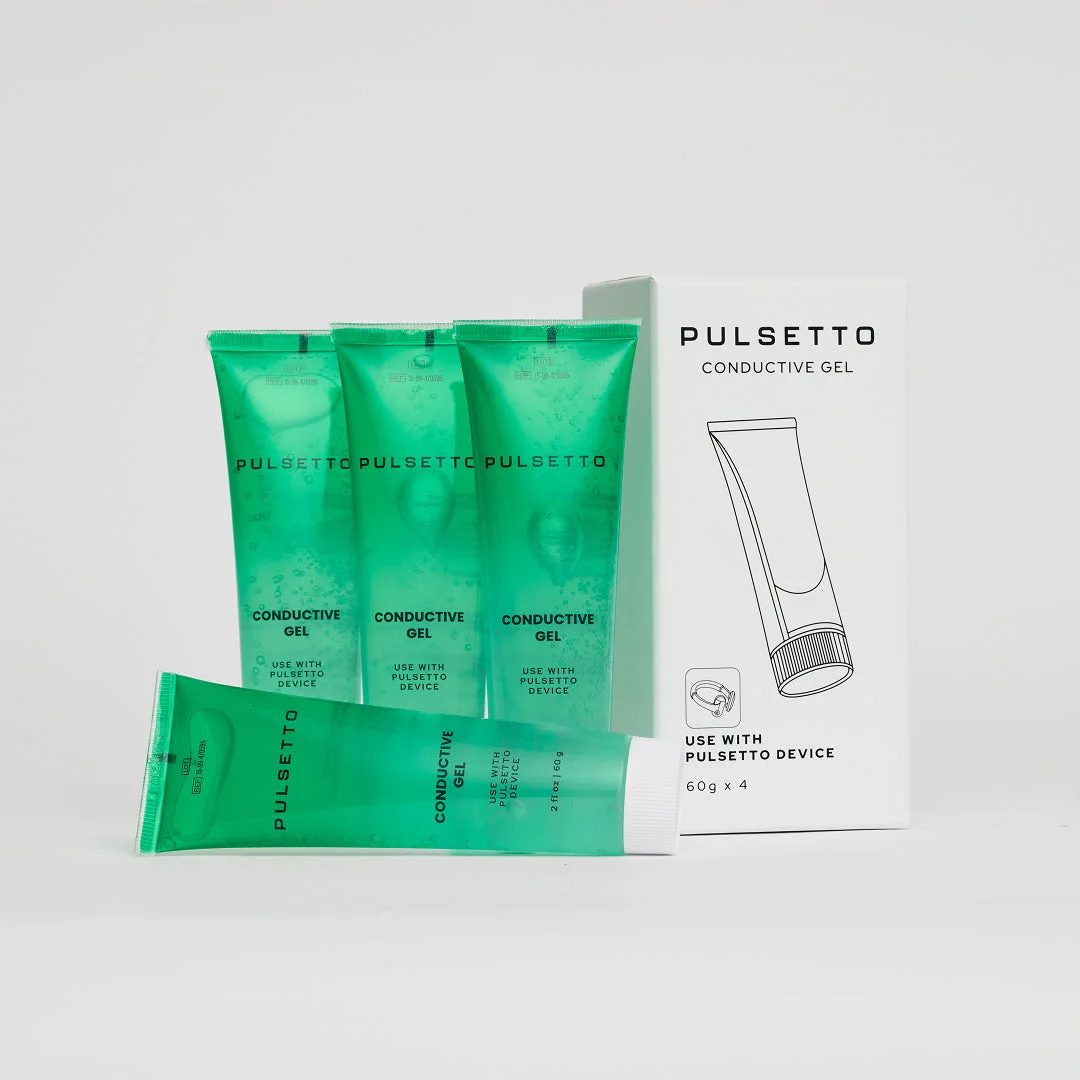
Pulsetto is one example of an at-home wearable that applies gentle transcutaneous vagus nerve stimulation (tVNS) through the skin of the neck — the very area where stress tension tends to gather. It rests comfortably on the neck, uses a little conductive gel so the pulses travel smoothly, and runs short, app-guided sessions of about four minutes for stress, sleep or burnout. Rather than only chasing the muscle, it aims at the calming, rest-and-digest system that tells those muscles it is safe to let go.
Think of it as one calming input among several. It works best paired with the physical habits above — movement, posture and stretching — not as a replacement for them, and not as a treatment for a neck injury or medical condition.
Pulsetto turns neck-focused vagus nerve stimulation into a short, guided routine you can actually keep up with — available in single and multi-device value packs, backed by a 30-day money-back trial.
Explore Pulsetto Packages
Most everyday, stress-related tightness eases with movement, better posture and calming habits. But some neck and shoulder pain needs proper assessment. See a healthcare professional if pain is severe, follows an injury, lasts more than a couple of weeks, or comes with numbness, tingling or weakness in the arms, persistent headaches, or dizziness. If you have a heart condition, epilepsy, an implanted electronic device, or you are pregnant, talk to your doctor before trying any form of nerve stimulation. You may also find our guide on daily habits to lower cortisol naturally useful for tackling the stress that feeds tension in the first place.
When you feel stressed, the fight-or-flight response braces your body for action — and the muscles around the neck, shoulders and jaw are among the first to tighten. If stress is constant, those muscles rarely get the signal to release, so they stay contracted. Add hunched posture and shallow breathing and you get the familiar tight, aching shoulders many people carry all day.
Combine two things: physically loosen the muscles and calm the nervous system keeping them tight. Gentle stretches, shoulder rolls, heat, movement breaks and better screen posture help physically. Slow breathing with a long exhale, and other calming routines, address the underlying stress signal so tension is less likely to return.
Yes. Anxiety keeps the body’s stress response switched on, which keeps muscles braced. Many people who feel anxious habitually raise and tense their shoulders without realizing it, especially at a desk. Calming the nervous system tends to ease the muscular tension along with it.
Long hours at a screen combine two tension drivers: static, hunched posture that overloads the neck and shoulder muscles, and mental stress that keeps them braced. Staying in one position for hours means the muscles never get a chance to relax and reset, so tension builds through the day.
See a healthcare professional if pain is severe, follows an injury, lasts more than a couple of weeks, or comes with numbness, tingling or weakness in the arms, headaches, or dizziness. General stress-related tightness usually eases with movement, better posture and calming habits, but persistent or worsening pain should be checked.
| Who we are | An independent team that reviews nerve-health research and translates it into plain-English, practical guides for everyday readers. |
| How we work | Every article is fact-checked against reputable clinical and educational sources and updated as the science evolves. |
| Our promise | General wellbeing information, never medical advice — and we always flag when to see a professional. |
† These statements have not been evaluated by the FDA. Pulsetto is a general-wellbeing device, not a medical device or treatment, and is not intended to diagnose, treat, cure or prevent any disease. This article is for general information only and is not medical advice. Affiliate disclosure: pulsettoos.com is an independent guide, not the manufacturer or the seller. Some links on this page are affiliate links and we may earn a commission if you buy through them, at no extra cost to you. That never changes the price you pay or what we write.