
⚠️ First, the safety line: chest pain, a heartbeat that will not settle, fainting or sudden breathlessness are emergency symptoms — get urgent medical help rather than reading on. This article covers everyday, stress-related experiences and is general information, not medical advice. Nothing here, and no wellbeing device, is a treatment or cure for any medical condition.
| What it is | A dull band of pressure around the head from tight jaw, neck and scalp muscles. |
| Why stress does it | Pressure makes you brace and clench for hours, and those muscles refer pain into the head. |
| Common triggers | Dehydration, skipped meals, screen posture, poor sleep and caffeine swings. |
| What helps | Hydration, posture breaks, releasing the jaw and shoulders, and daily downshifting. |
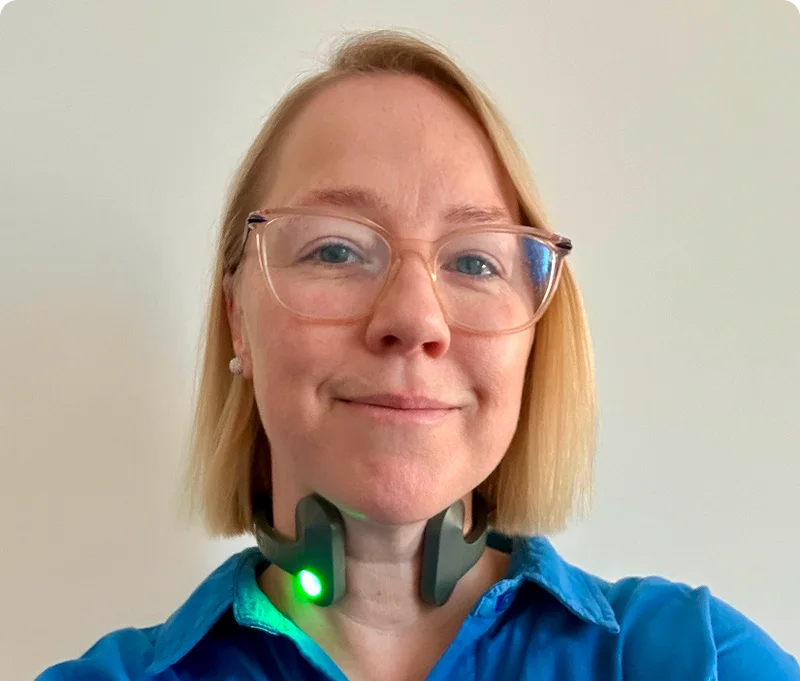
It usually starts as a dull ache. A band of pressure tightens around your forehead, your temples feel squeezed, and by mid-afternoon it is hard to think about anything else. If your headaches show up on your busiest, most pressured days, you are almost certainly dealing with tension headaches from stress — the most common type of headache there is, and one that responds well to a few practical changes.
A tension-type headache has a distinctive character. Unlike a migraine, which is often one-sided, throbbing and paired with nausea or light sensitivity, a tension headache usually feels like: The boundary is less tidy than it looks — a 2023 review debates the differences and similarities between tension-type headache and migraine — which is one reason a doctor is better placed than a website to label a recurring headache.
They are rarely dangerous, but they are genuinely draining — and when they happen often, they chip away at your focus, mood and sleep.
The link between stress and this kind of headache is largely muscular. When you are under pressure, your body braces. You may not notice it, but the muscles of your jaw, neck, scalp and shoulders quietly tighten and stay tightened. Hold that low-grade clench for hours — through a tense meeting, a long commute or a stretch of screen time — and those muscles start to ache and refer pain up into the head. The research picture is a little richer: work on central sensitisation in tension-type headache argues that prolonged input from tender pericranial muscles can lower the pain threshold itself, which helps explain why frequent headaches get easier to trigger.
Several stress-related habits pile on top of that base layer:
Stress tends to make breathing fast and shallow and encourages jaw-clenching, both of which recruit exactly the muscles that drive tension headaches. If you catch yourself with a tight jaw, our guide to jaw clenching and teeth grinding from stress covers why it happens and how to release it. A cross-sectional study found an association among self-reported bruxism, stress and headache.
Hours hunched toward a monitor push the head forward, loading the neck and upper shoulders. That same pattern is behind a lot of neck and shoulder tension from stress, and the two problems usually travel together.
Ongoing stress keeps cortisol and muscle tension elevated, lowers your pain threshold and disrupts sleep — all of which make headaches more likely and harder to shake. Getting a handle on that background load through daily habits to lower cortisol naturally often takes the edge off frequent headaches too.
Stress sets the stage, but specific triggers often pull the curtain up. The usual suspects are surprisingly ordinary:
Keeping a simple note of when your headaches strike often reveals a pattern you can act on.
When a tension headache is already building, a few things reliably help take the pressure down:
Discover a 4-minute daily calm routine
Because these headaches are so tied to accumulated tension, the best results come from reducing that tension before it builds:
A single tension headache usually eases within a few hours to a day once you address the trigger. The trap to avoid is leaning on over-the-counter painkillers too often. Taken on more than a couple of days most weeks, some pain relievers can paradoxically drive a cycle of medication-overuse (or “rebound”) headaches, where the very thing you reach for keeps the pain coming back. That is not a reason to suffer through pain — it is a reason to treat frequent headaches at the source with hydration, movement, sleep and stress habits, and to talk to a doctor or pharmacist if you find yourself needing pain relief most days. Headaches that strike on 15 or more days a month, or that suddenly change in pattern or severity, deserve a proper medical assessment rather than a bigger box of tablets. Taken too frequently, pain relief can drive medication-overuse headache; the National Institute of Neurological Disorders and Stroke sets out when a headache pattern warrants medical assessment.
Because tension headaches are driven by a body stuck in a low-grade state of alert, anything that helps you genuinely downshift tends to help. The vagus nerve leads the parasympathetic “rest-and-digest” response — the state in which braced muscles finally let go. Slow breathing, warmth, gentle movement and calming routines all nudge you toward it.
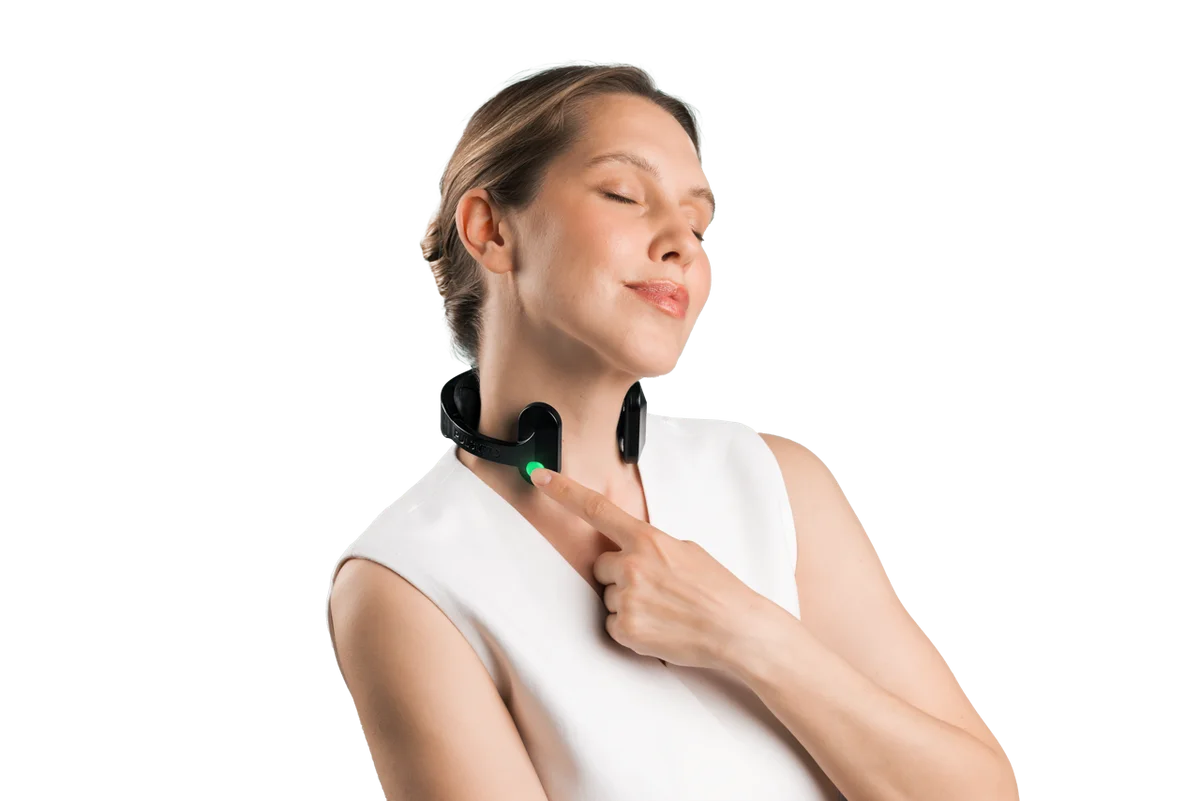
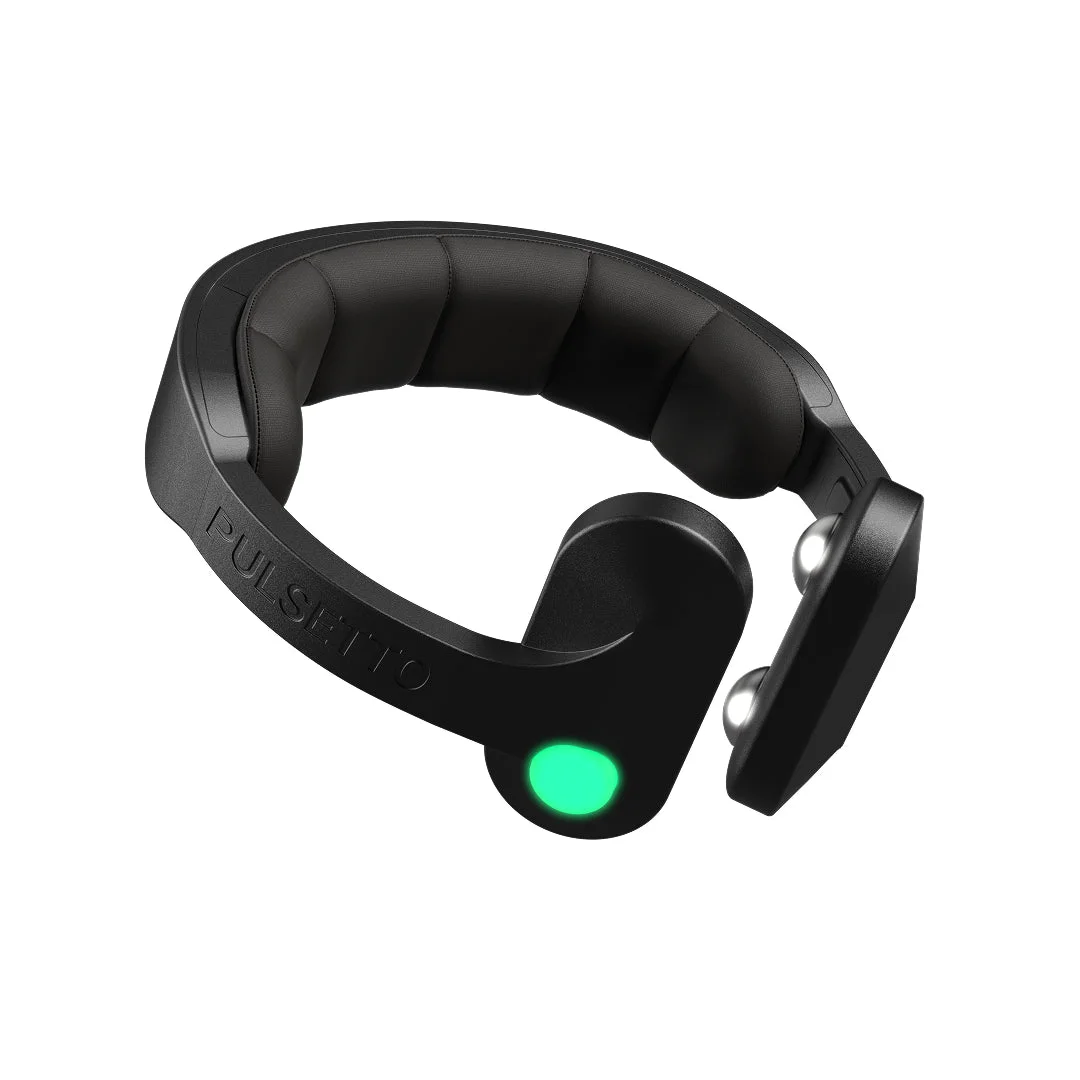
Pulsetto is one at-home tool built around this. It is a wearable that rests on the neck and delivers gentle transcutaneous vagus nerve stimulation (tVNS) in short, app-guided sessions of about four minutes. You pick a program for stress, sleep or burnout, set a comfortable intensity and relax. It will not replace hydration, posture breaks or good sleep — but for people whose headaches trace back to a nervous system that never quite switches off, a short daily calm routine can be a helpful anchor. Pulsetto is intended for general relaxation and wellbeing, not as a treatment for headaches or any medical condition.
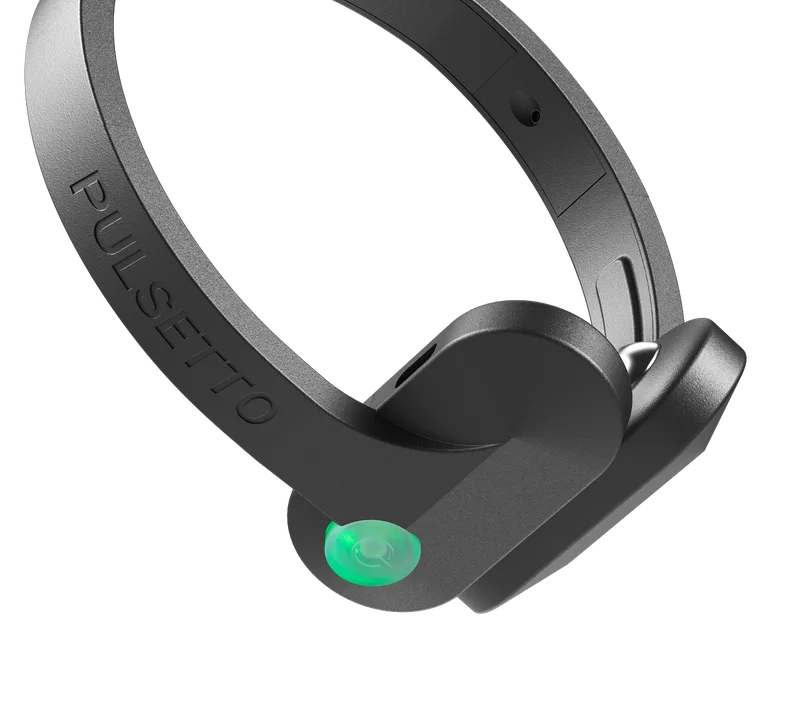
Pulsetto is personal — each person wears their own, so a multi-device pack drops the per-device price for the whole household. Every order is covered by a 30-day money-back trial.
Pulsetto makes a short, guided relaxation routine easy to keep up with — a gentle, drug-free session backed by a 30-day money-back trial.
Explore Pulsetto PackagesYes. Stress makes the muscles of the jaw, neck, scalp and shoulders tighten and stay tight, and that sustained clench refers pain into the head. Tension-type headaches are the most common headaches and are strongly linked to stress, posture and fatigue.
A tension headache usually feels like steady, dull pressure on both sides of the head, like a tight band, with tender neck and shoulder muscles. A migraine is more often one-sided, throbbing, and comes with nausea or sensitivity to light and sound. If you are unsure, or headaches are severe or new, see a doctor.
Step away from screens, drink water, and consciously release your jaw and shoulders. Gentle warmth on the neck, slow long-exhale breathing and a short walk often ease the muscular tension driving the ache. Regular hydration, posture breaks and sleep help prevent the next one.
Frequent headaches on high-pressure days usually reflect accumulated muscle tension, dehydration, skipped meals, screen strain and short sleep. Reducing the background stress load and taking regular breaks tends to lower how often they happen. Daily or worsening headaches are worth discussing with a doctor.
Relaxation techniques that engage the parasympathetic nervous system help braced muscles let go, which can ease tension headaches. A vagus nerve wearable such as Pulsetto turns that downshift into a short daily routine. It supports general relaxation and wellbeing and is not a treatment for headaches or any medical condition.
† These statements have not been evaluated by the FDA. Pulsetto is a general-wellbeing device, not a medical device or treatment, and is not intended to diagnose, treat, cure or prevent any disease. This article is for general information only and is not medical advice. Affiliate disclosure: pulsettoos.com is an independent guide, not the manufacturer or the seller. Some links on this page are affiliate links and we may earn a commission if you buy through them, at no extra cost to you. That never changes the price you pay or what we write.
The Pulsetto Research Team is a small group of health writers, nervous-system educators and wellness researchers who translate the science of stress, sleep and the vagus nerve into plain, practical English. Every guide is fact-checked against peer-reviewed research and respected medical references before it is published, and reviewed again whenever the evidence moves. We write to inform, not to diagnose — our aim is to help you understand your body and make calmer, better-informed choices. This article reflects general research and traditional wellbeing practice; it is not a substitute for advice from your own doctor.